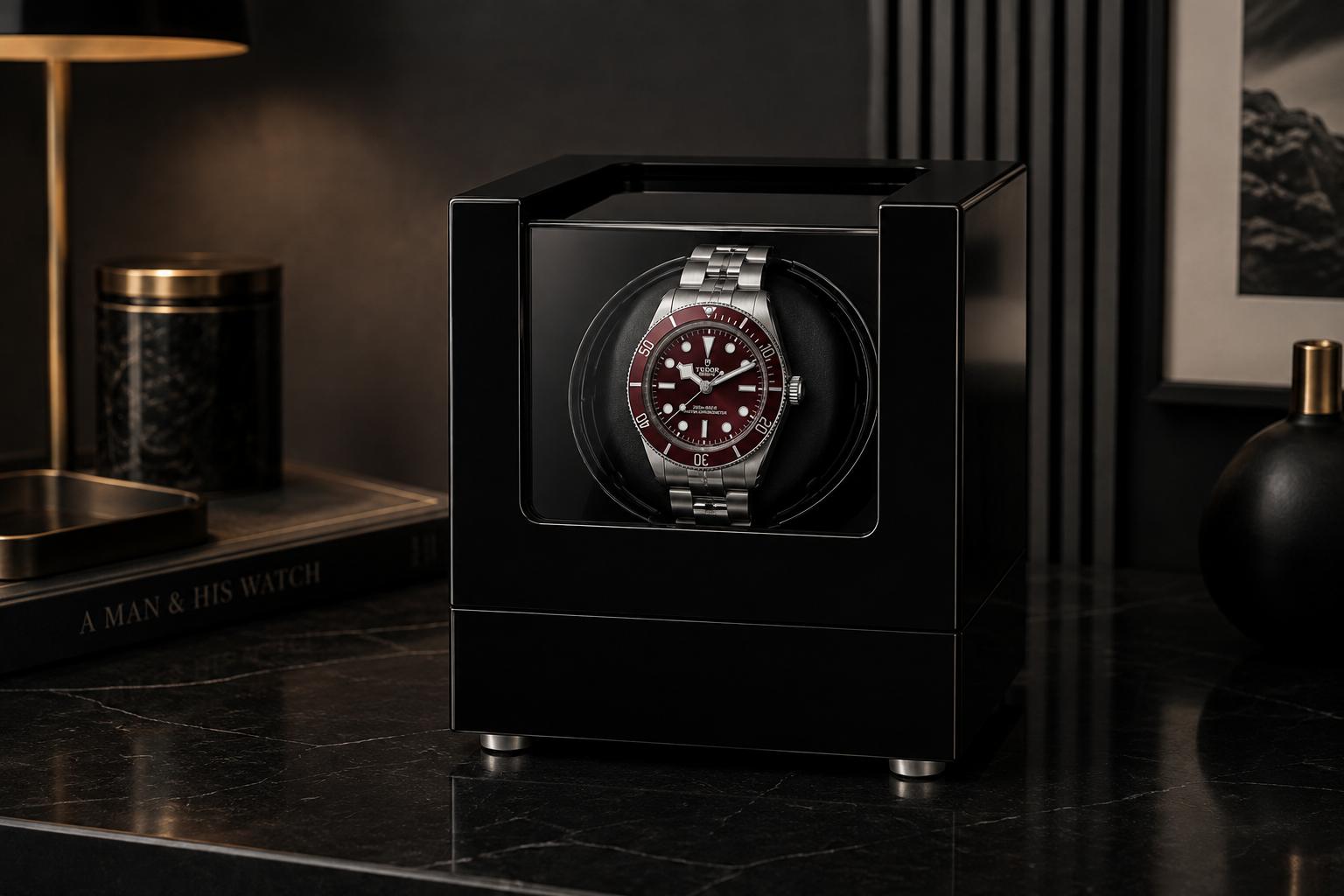
Best Watch Winder for Tudor: TPD, Settings & Buying Guide (2026)
Tudor has become one of the most compelling names in modern mechanical watches, with collections such as the Black Bay, Black Bay 58, Pelagos and Black Bay Chrono combining heritage-inspired design with modern automatic movements.
If you rotate your Tudor with other watches, however, it may spend enough time off the wrist for its power reserve to eventually run down.
A properly configured watch winder can help keep an automatic Tudor running and ready to wear.
But choosing the right winder isn't simply about finding one labeled “Tudor compatible.”
The movement inside your watch should determine the winding settings.
Here's what Tudor owners should know about TPD, rotation direction and choosing a watch winder in 2026.
Does a Tudor Need a Watch Winder ?
A Tudor automatic watch does not require a watch winder, but a winder can be useful if the watch regularly remains unworn long enough for its power reserve to run down.
If your Tudor is your everyday watch, you may have little reason to use one.
Normal wrist movement can provide the winding activity needed to keep an automatic movement running.
A winder becomes more useful when you:
- Rotate between several watches
- Wear your Tudor primarily on weekends
- Own multiple automatic watches
- Regularly leave your Tudor unworn for several days
- Prefer having it ready to wear
- Want to avoid repeatedly resetting the time and date
Think of a watch winder primarily as a convenience tool for automatic-watch ownership rather than something every Tudor requires.
Which Tudor Watches Can Use a Watch Winder?
Tudor watches equipped with automatic mechanical movements can be used with an appropriately configured watch winder.
This includes automatic references across major collections such as:
- Tudor Black Bay
- Tudor Black Bay 58
- Tudor Black Bay Chrono
- Tudor Pelagos
- Tudor Ranger
- Tudor Royal
But don't choose the winding settings based only on the collection name.
Different references can use different calibers.
The correct sequence remains:
Exact watch → caliber → winding requirements → winder settings.
That movement-first approach is the foundation of properly configuring any automatic watch winder.
What TPD Should You Use for a Tudor?
There is no TPD setting that should automatically be applied to every Tudor watch. Identify the caliber inside your specific Tudor before selecting the winding program.
TPD means Turns Per Day.
It represents approximately how many rotations the watch receives from the winder during a 24-hour period.
The important principle is:
More TPD does not automatically mean better winding.
You want enough rotational activity to maintain the movement's power reserve, rather than simply selecting the highest available setting.
Before configuring your Tudor:
- Identify the exact reference.
- Determine its caliber.
- Verify the appropriate winding requirements.
- Select a suitable TPD program.
- Check whether the watch maintains its power reserve.
For a deeper explanation, read our Watch Winder TPD Guide: Settings by Brand & Watch Movement (2026).
What Rotation Direction Should You Use for a Tudor?
Many modern Tudor manufacture movements use bidirectional automatic winding, but you should still verify the caliber inside your specific watch before configuring the winder.
This is one area where we can provide useful movement-specific information.
For example, Tudor specifies a bidirectional rotor system for the MT5612 found in the Pelagos. The current Black Bay Chrono's MT5813 is also specified as a self-winding mechanical movement with a bidirectional rotor.
That does not justify assuming that every Tudor from every era has identical requirements.
Check the caliber first.
A winder capable of clockwise, counterclockwise and bidirectional programs gives you greater flexibility, particularly for mixed-brand collections.
Tudor Black Bay Watch Winder
An automatic Tudor Black Bay can be used with a properly configured watch winder, particularly if it regularly spends several days outside your normal wrist rotation.
The Black Bay family is broad.
That matters because “Black Bay” does not identify one single movement.
Tudor has developed different manufacture calibers for different Black Bay references. Tudor's own movement documentation, for example, distinguishes between movements developed for various Black Bay configurations.
This reinforces the principle we've used throughout this guide:
Don't search for a generic setting based only on the collection name.
Identify the reference and movement first.
If your Black Bay is part of a collection containing several automatic watches, a winder can then keep it ready while another watch is on your wrist.
Tudor Black Bay 58 Watch Winder
A Tudor Black Bay 58 with an automatic manufacture movement can be kept on a compatible watch winder when it is not being worn.


4
The Black Bay 58 has become one of Tudor's most recognizable modern designs.
Movement specifications can still vary according to the particular reference.
For example, Tudor's Black Bay 58 18K uses the Manufacture Calibre MT5400, which Tudor specifies as a self-winding mechanical movement with a bidirectional rotor system and approximately 70 hours of power reserve.
That relatively long reserve means a fully wound watch may continue running through shorter periods off the wrist.
If you rotate through a larger collection and leave it unworn longer, however, a winder can still provide convenience.
Tudor Pelagos Watch Winder
The automatic Tudor Pelagos is well suited to a properly configured watch winder when it forms part of a rotating collection.
The Pelagos provides a useful concrete example.
Tudor specifies its Manufacture Calibre MT5612 as a self-winding mechanical movement with a bidirectional rotor system and approximately 70 hours of power reserve.
In practical terms, Tudor says this is sufficient for the watch to be removed on Friday evening and worn again on Monday morning without needing to be wound.
So if you only remove your Pelagos for a weekend, you may not need a winder at all.
If you rotate it with several watches for longer periods, the convenience becomes more apparent.
This is an important point:
A longer power reserve can reduce how often you need a watch winder — but it does not eliminate the usefulness of one for collectors with longer rotations.
Tudor Black Bay Chrono Watch Winder
The Tudor Black Bay Chrono uses an automatic chronograph movement, making a compatible watch winder relevant for owners who regularly rotate it with other watches.
Current Black Bay Chrono references use Tudor's Manufacture Calibre MT5813.
Tudor specifies this as a self-winding mechanical chronograph with a bidirectional rotor system and approximately 70 hours of power reserve.
That gives the Black Bay Chrono a substantial reserve when removed from the wrist.
But if it spends several days beyond that reserve in a collection, it will eventually stop.
An appropriately configured winder can maintain the movement between wears.
What Should You Look for in a Tudor Watch Winder?
The best watch winder for a Tudor should provide appropriate winding control, secure watch support, rotation/rest cycles and quiet operation.
Here are the characteristics I would prioritize.
Adjustable TPD
Choose a winder with a winding program appropriate for the movement.
Avoid automatically using the highest TPD simply because it is available.
Multiple Rotation Directions
CW, CCW and bidirectional options provide greater flexibility.
This becomes particularly valuable if you later use the same winder for watches from different manufacturers.
Rotation and Rest Cycles
Your Tudor does not move continuously when it is on your wrist.
A properly designed winding program should similarly alternate between movement and rest.
Secure Watch Support
Black Bay, Pelagos and Chrono configurations can differ significantly in case size, bracelet and strap.
A properly fitting holder should keep the watch secure throughout the winding cycle.
Quiet Motor
A winder may remain in your bedroom, office or dressing room for hours at a time.
Smooth and quiet operation therefore matters in everyday ownership.
Best ChronoVelar Watch Winder for a Tudor
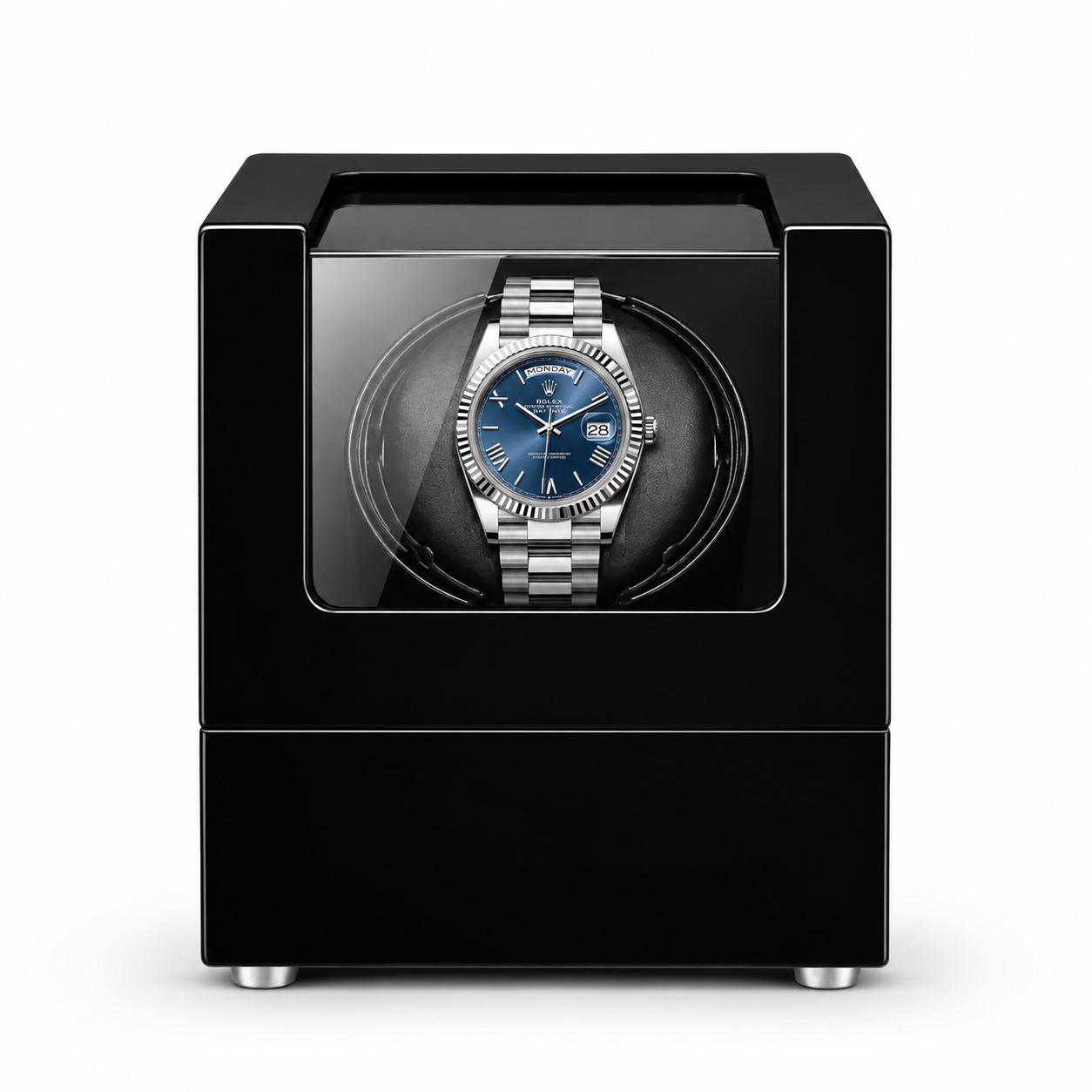
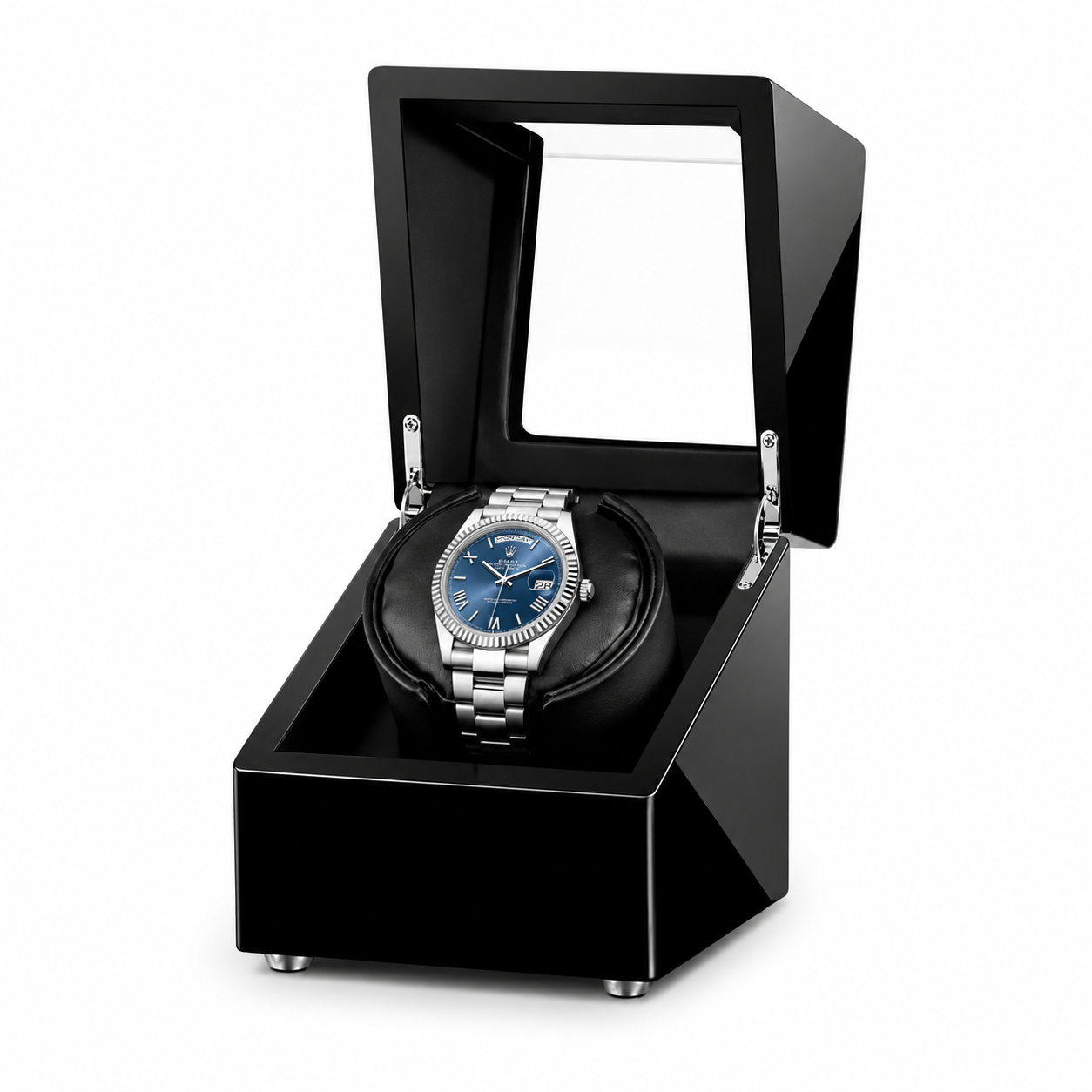
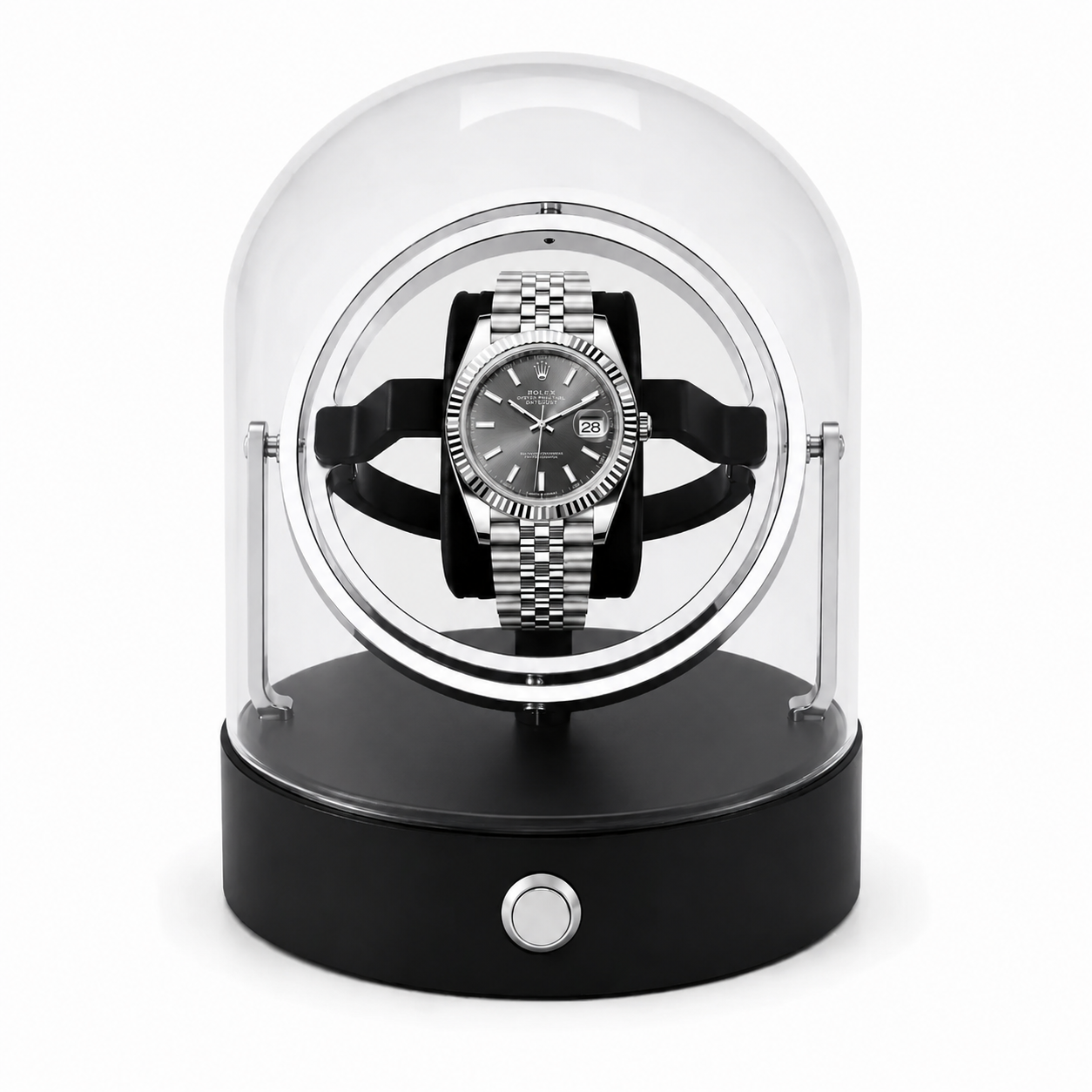
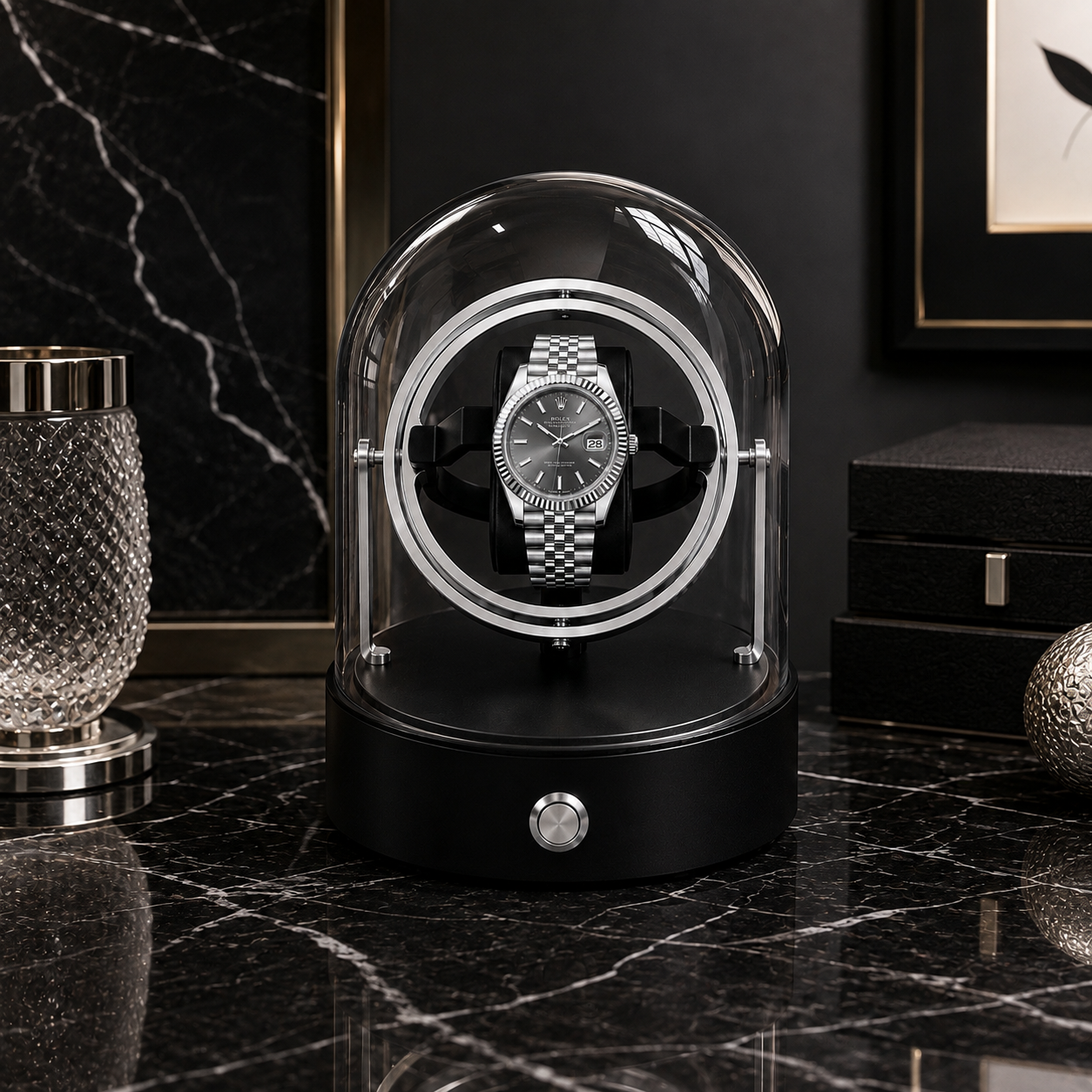
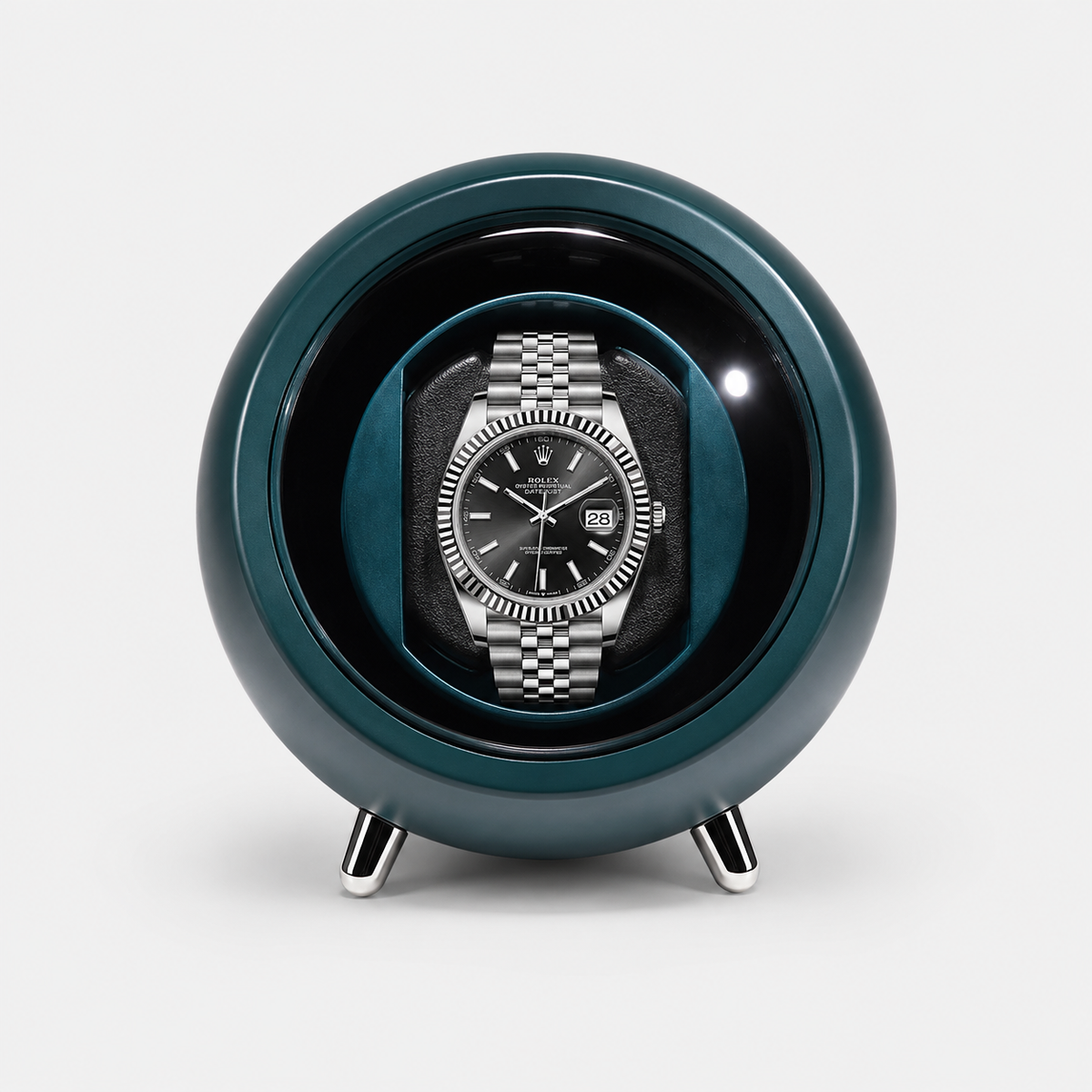
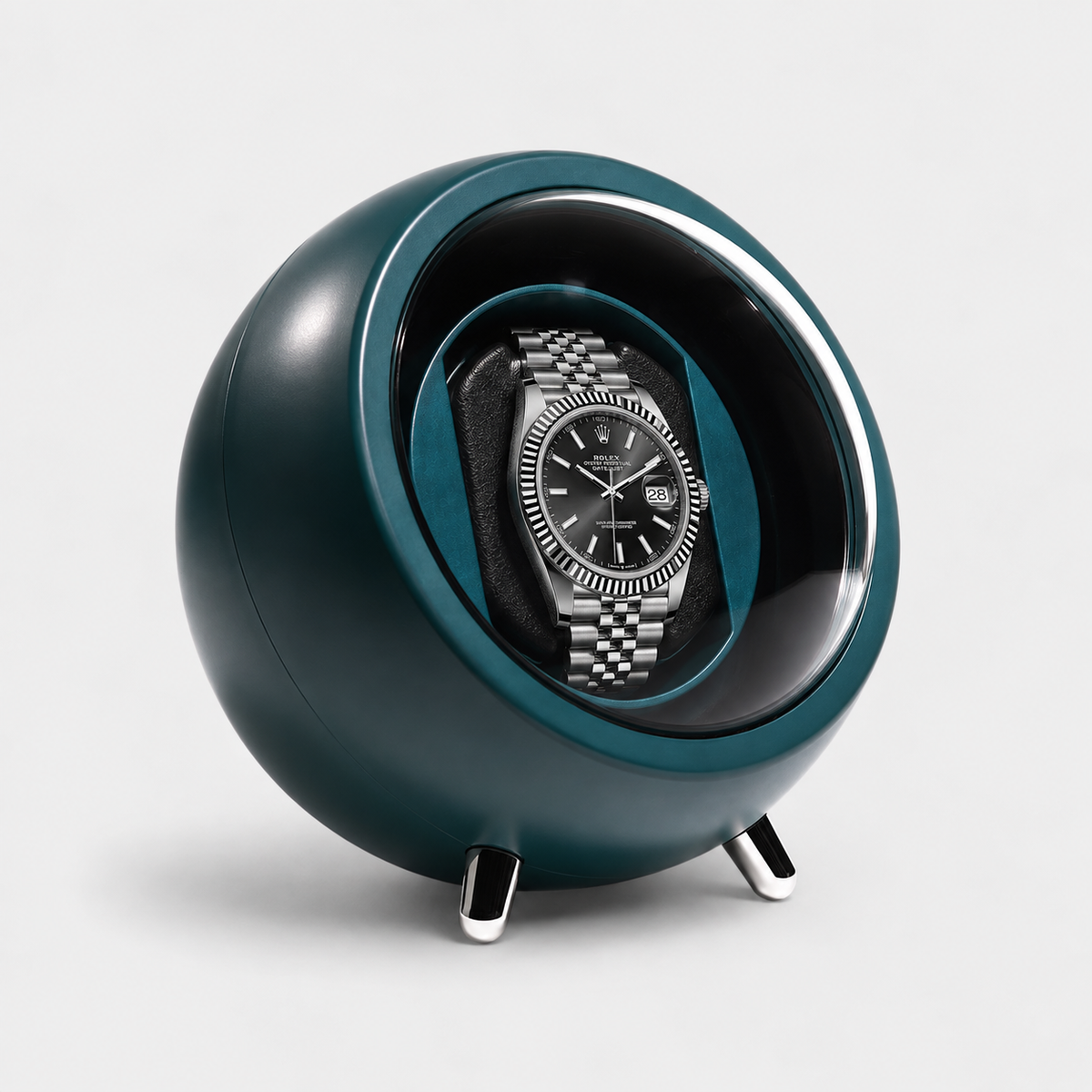
For a Tudor owner looking for a compact single-watch solution, The Classic Winder | Boston is a strong fit.
For this article, I would deliberately feature the Boston rather than reusing the Meridian Duo, Tripod Two or Carbon Steel.
A single-watch configuration makes sense for someone who owns a Black Bay, Black Bay 58 or Pelagos and wants a dedicated display for that watch.
Its more traditional design also complements the heritage-inspired character of many Tudor models particularly well.
This gives us another advantage across the ChronoVelar blog:
Each brand guide begins directing organic traffic toward a different relevant product page instead of concentrating every internal commercial link on one or two winders.
What if You Own a Tudor and a Rolex?
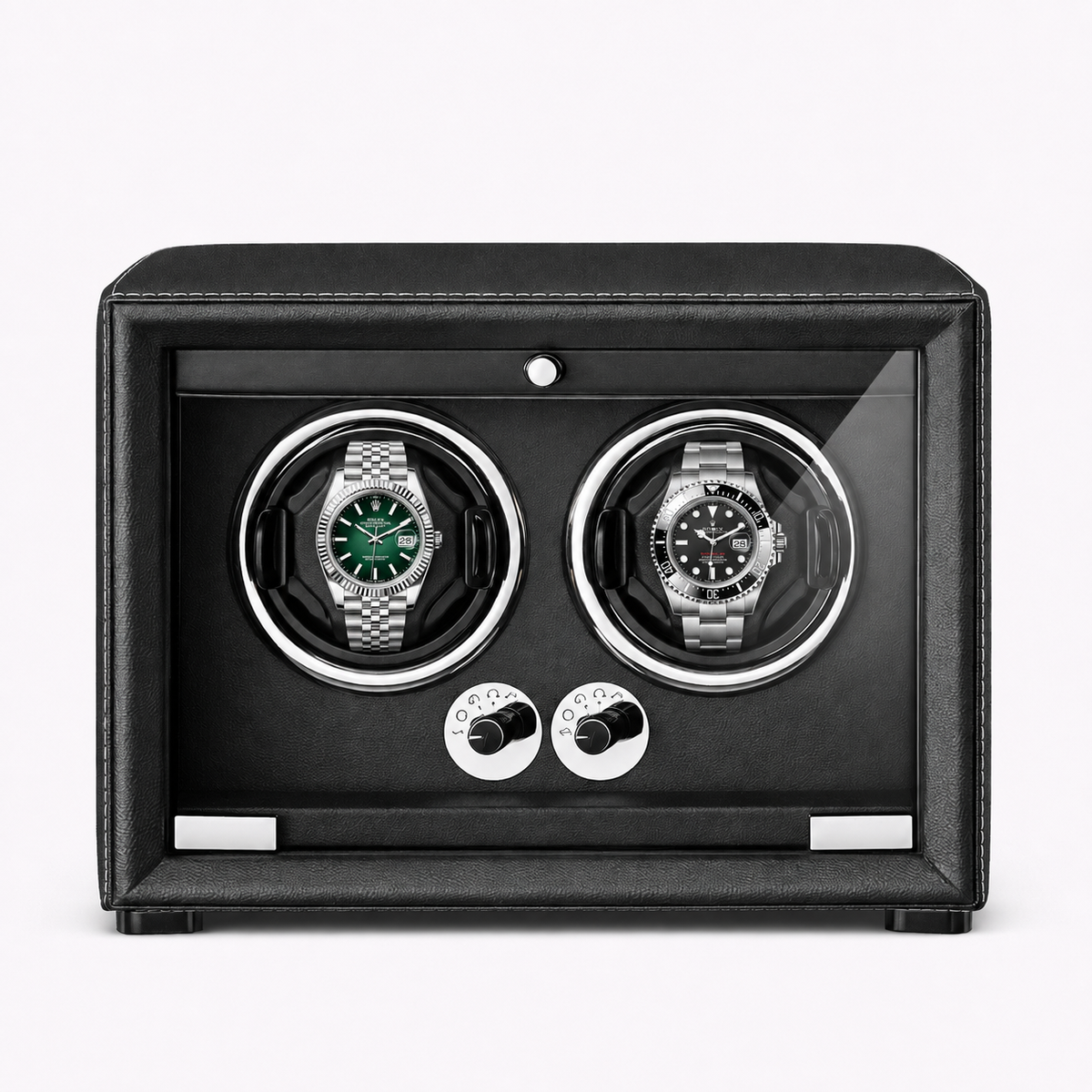
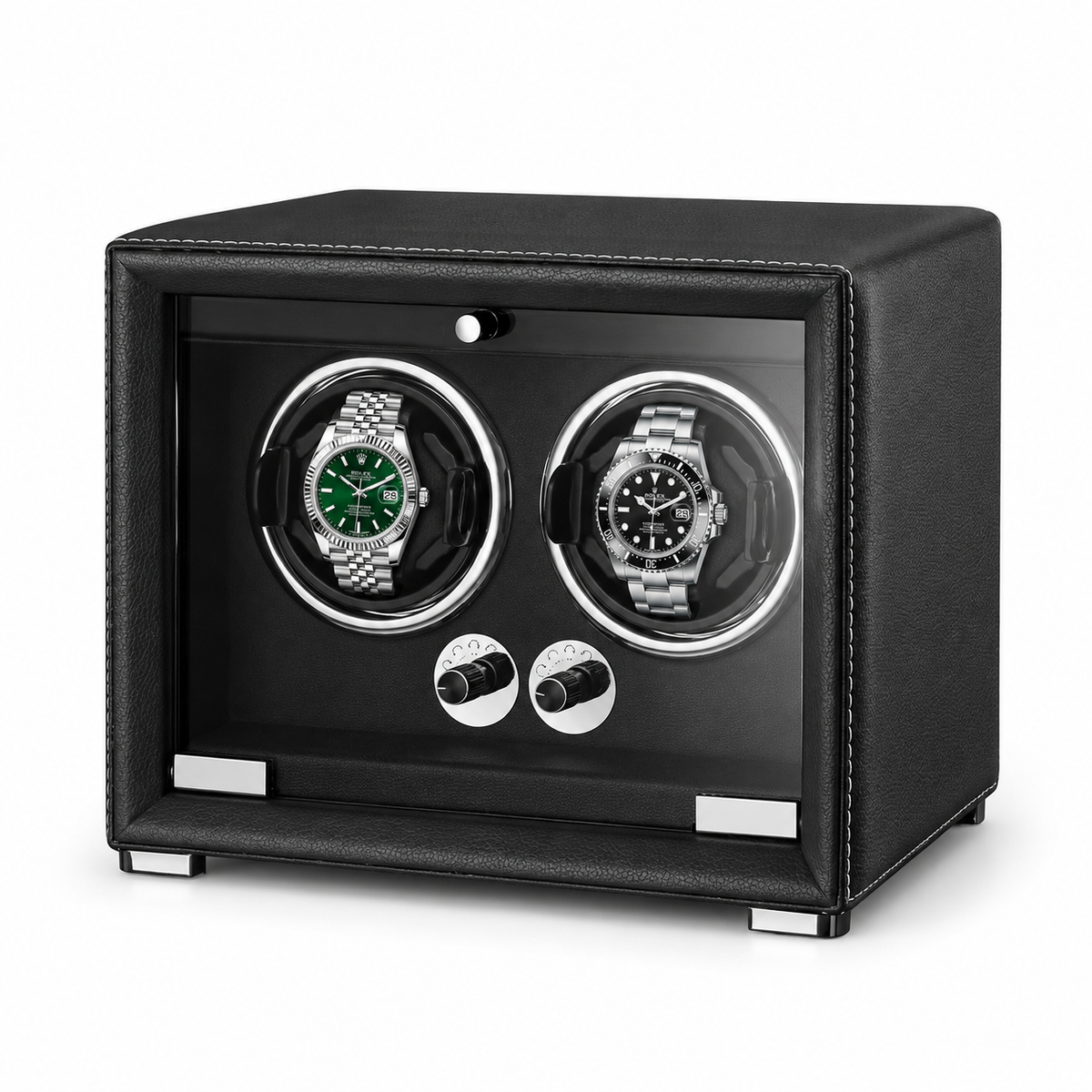
A Tudor and Rolex collection is a strong use case for a dual watch winder, but the two watches should still be configured according to their individual movements.
This is an especially relevant pairing.
A collector might own:
Tudor Black Bay 58 + Rolex Datejust
Tudor Pelagos + Rolex Submariner
or:
Tudor Black Bay Chrono + Rolex GMT-Master II
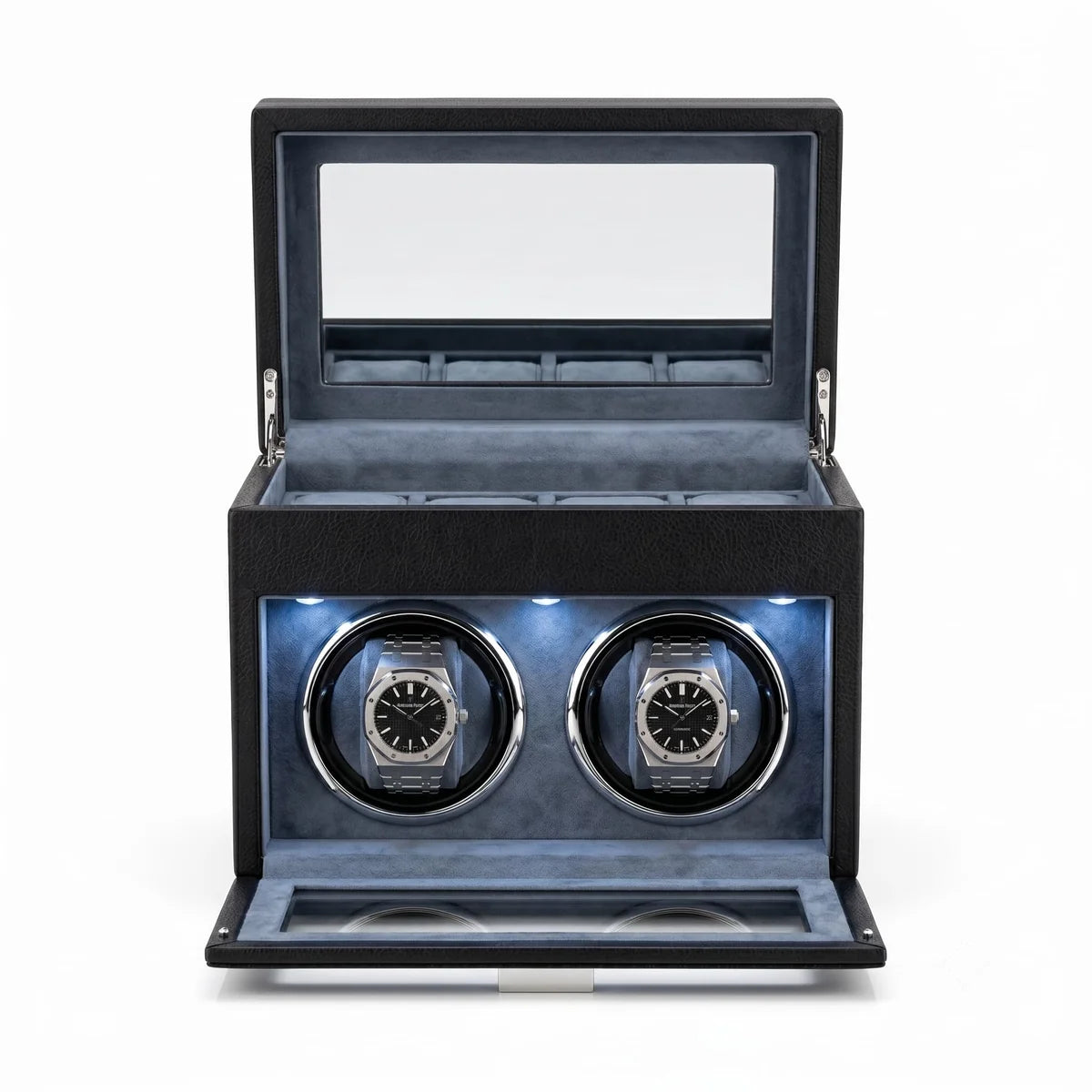
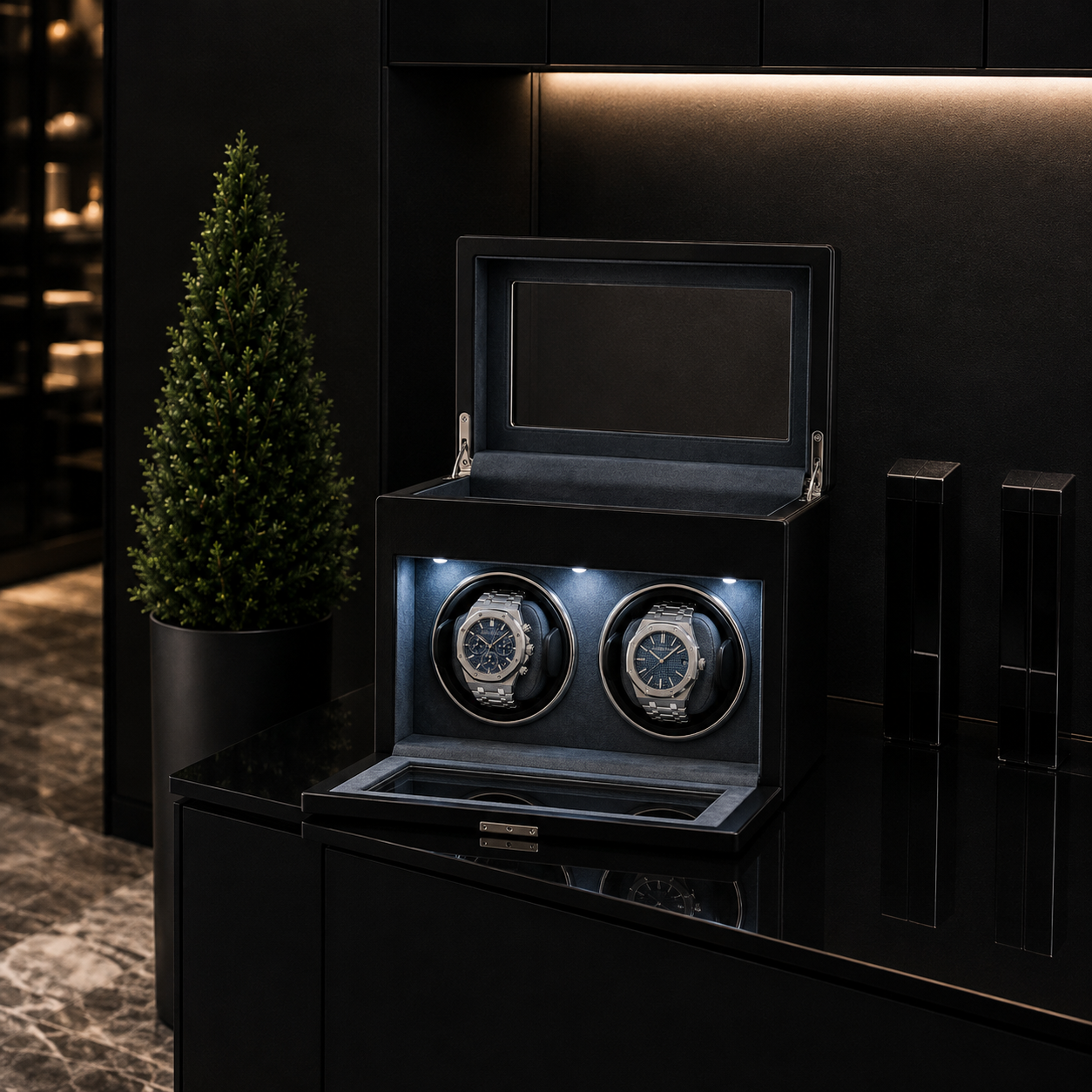
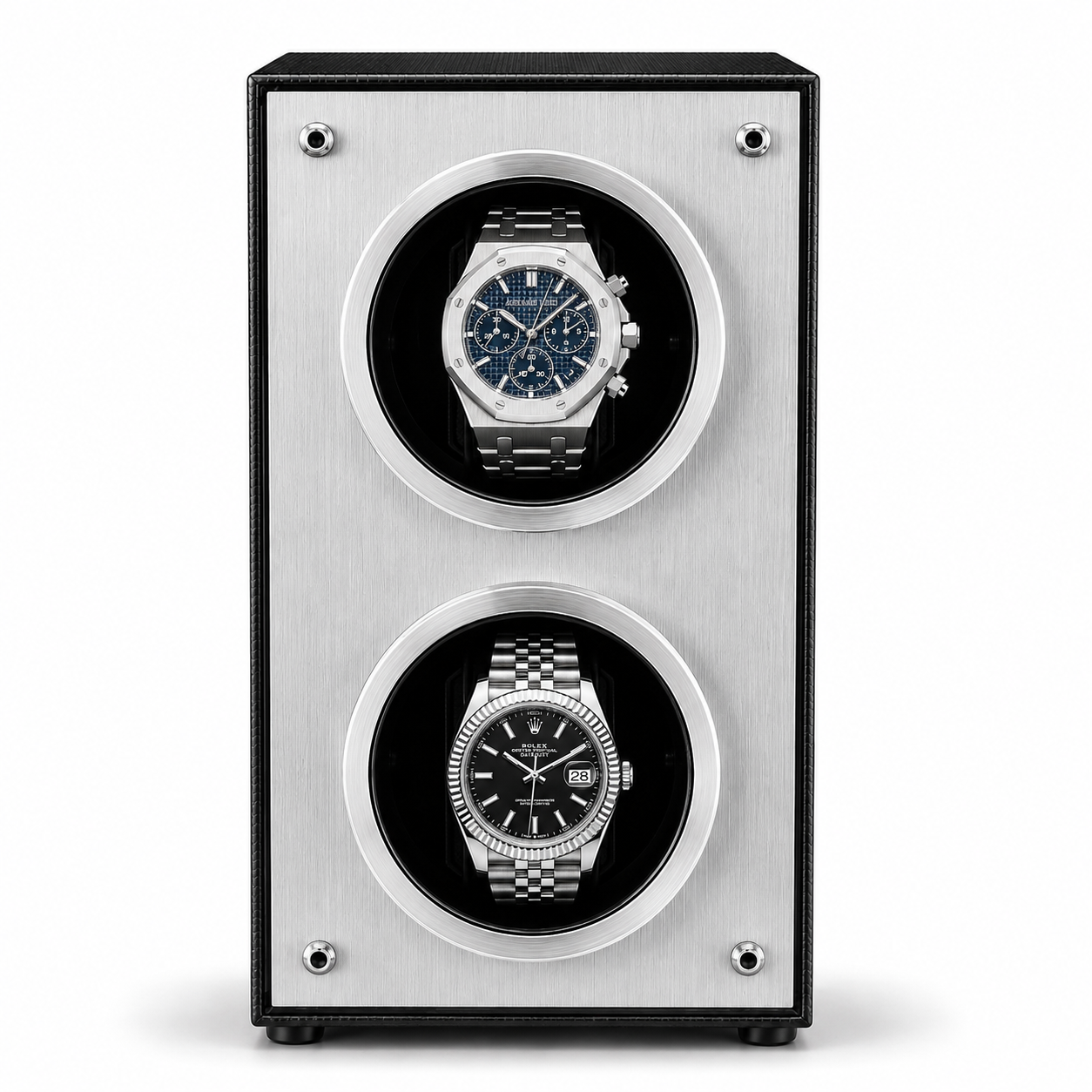
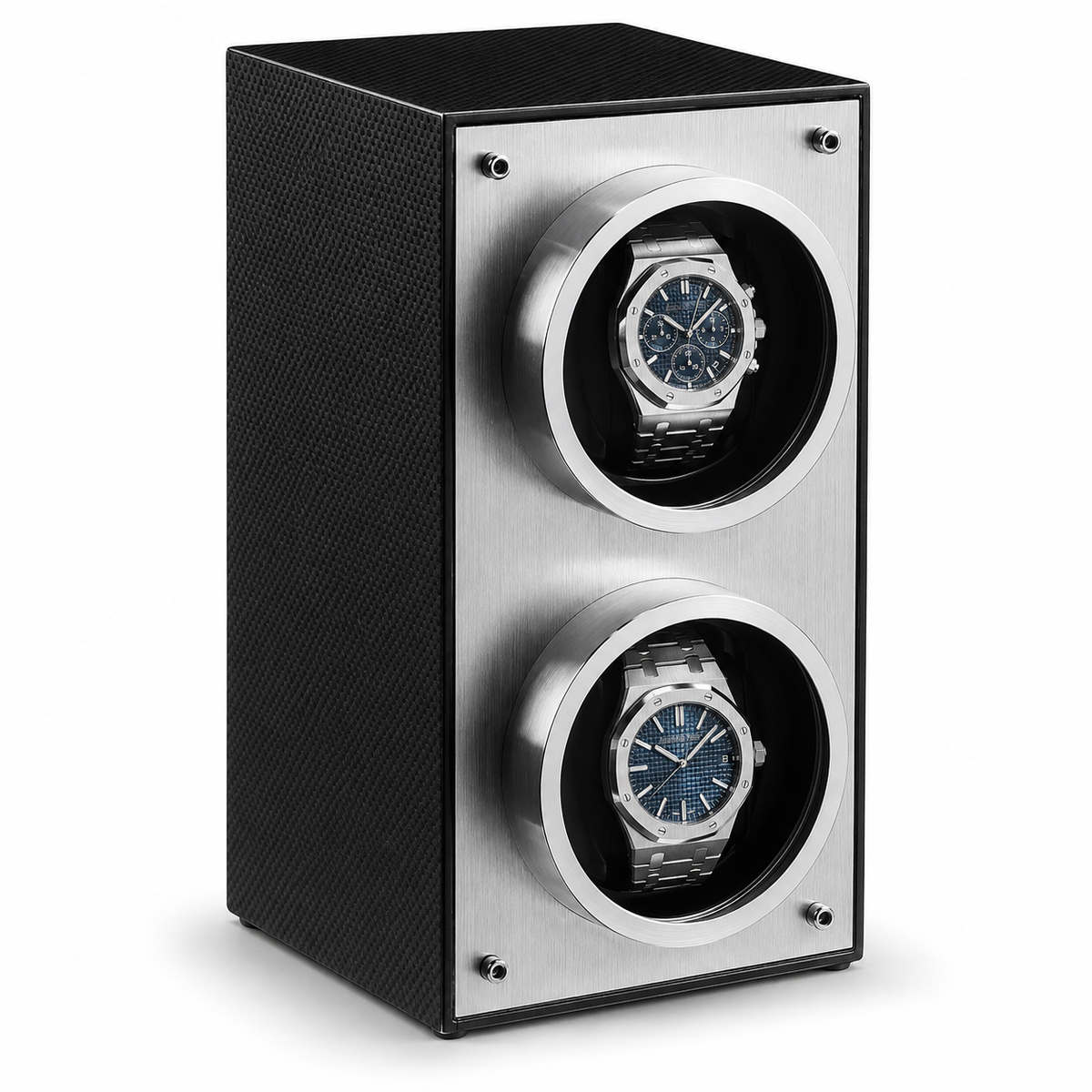
For two frequently rotated automatic watches, a dual system such as the ChronoVelar Meridian Duo can be more practical than maintaining separate winders.
Independent winding positions are especially valuable when the watches have different movement requirements.
For Rolex-specific information, see our Best Watch Winder for Rolex: TPD & Rotation Guide (2026).
What if You Own a Tudor, Omega or Breitling Collection?
A mixed-brand automatic collection makes configurable winding programs even more important because each watch should be treated according to its movement.
Imagine:
Tudor Black Bay + Omega Seamaster
or:
Tudor Pelagos + Breitling Navitimer
or eventually:
Tudor + Rolex + Omega + Breitling.
As the collection grows, don't simply look for the winder with the largest capacity.
Look at whether its winding positions provide the flexibility your different movements require.
You can also read our dedicated guides:
Best Watch Winder for Omega: TPD, Settings & Buying Guide (2026)
and
Best Watch Winder for Breitling: TPD, Settings & Buying Guide (2026).
This creates a much more useful resource for someone building a multi-brand luxury watch collection.
Can a Watch Winder Damage a Tudor?
A properly configured watch winder should not damage a healthy automatic Tudor simply by providing controlled winding activity.
The objective is to maintain sufficient energy in the movement.
It is not to rotate the watch as much as physically possible.
Appropriate TPD, rotation direction and rest cycles are therefore more important than maximum rotation.
If you're concerned about overwinding or leaving your Tudor on a winder for extended periods, read Can a Watch Winder Damage a Watch? TPD, Overwinding & Safety Explained.
How to Set Up a Tudor on a Watch Winder
Identify your Tudor's exact caliber before choosing the winding program.
Then:
- Confirm that the watch is automatic.
- Identify the exact Tudor reference.
- Determine the caliber.
- Verify its winding requirements.
- Secure the watch correctly on the holder.
- Select an appropriate TPD.
- Select the appropriate rotation direction.
- Allow the programmed rotation/rest cycles to operate.
- Check whether the watch maintains its power reserve over the following days.
If the watch stops, don't immediately maximize TPD.
Verify the movement requirements and configuration first.
Final Verdict: Choosing the Best Watch Winder for Tudor
The best watch winder for a Tudor is one that matches its automatic movement and the way the watch fits into your collection.
If you own one automatic Tudor, a single-watch winder such as The Classic Winder | Boston may be all you need.
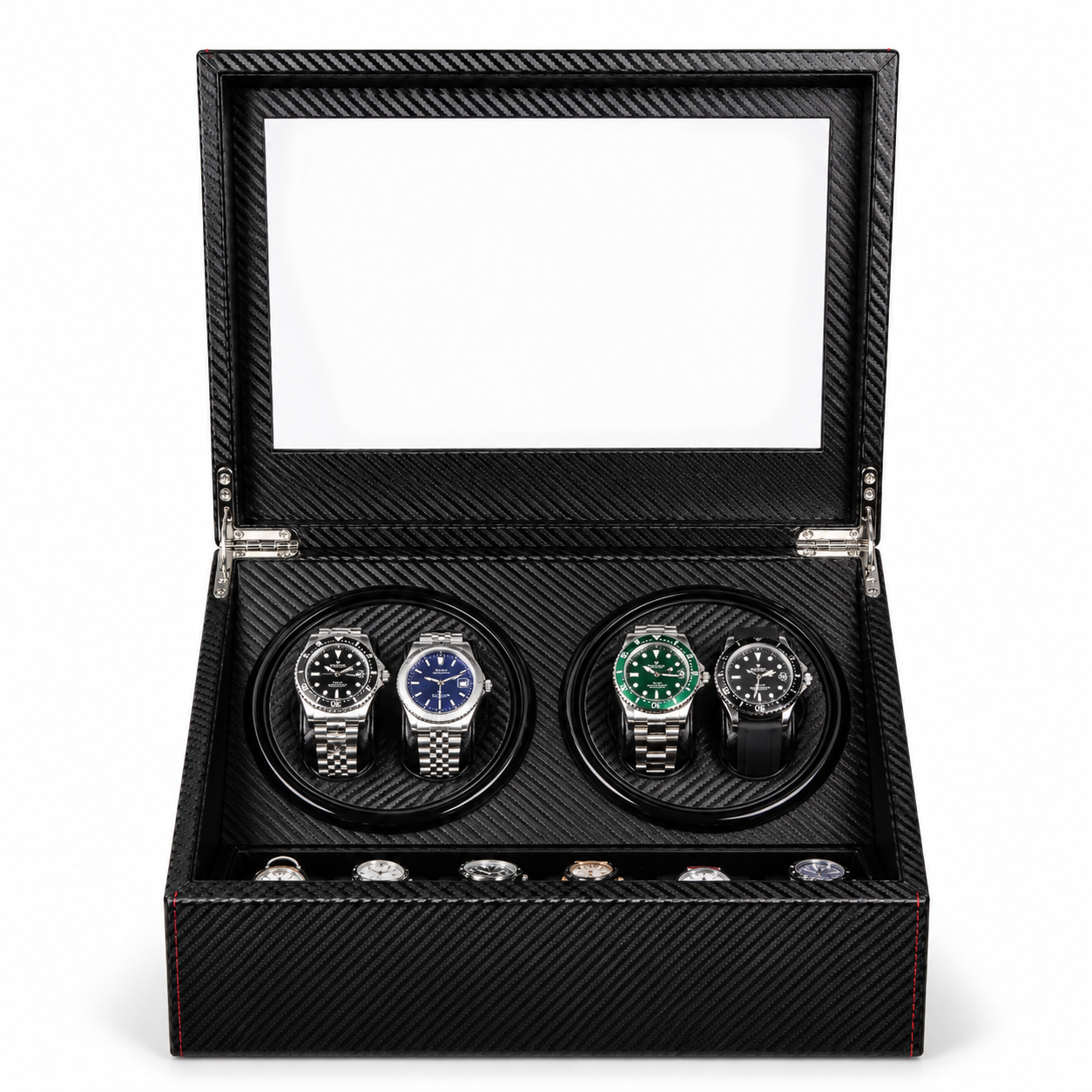
If you regularly alternate between a Tudor and another automatic watch, a dual winder can provide greater convenience.
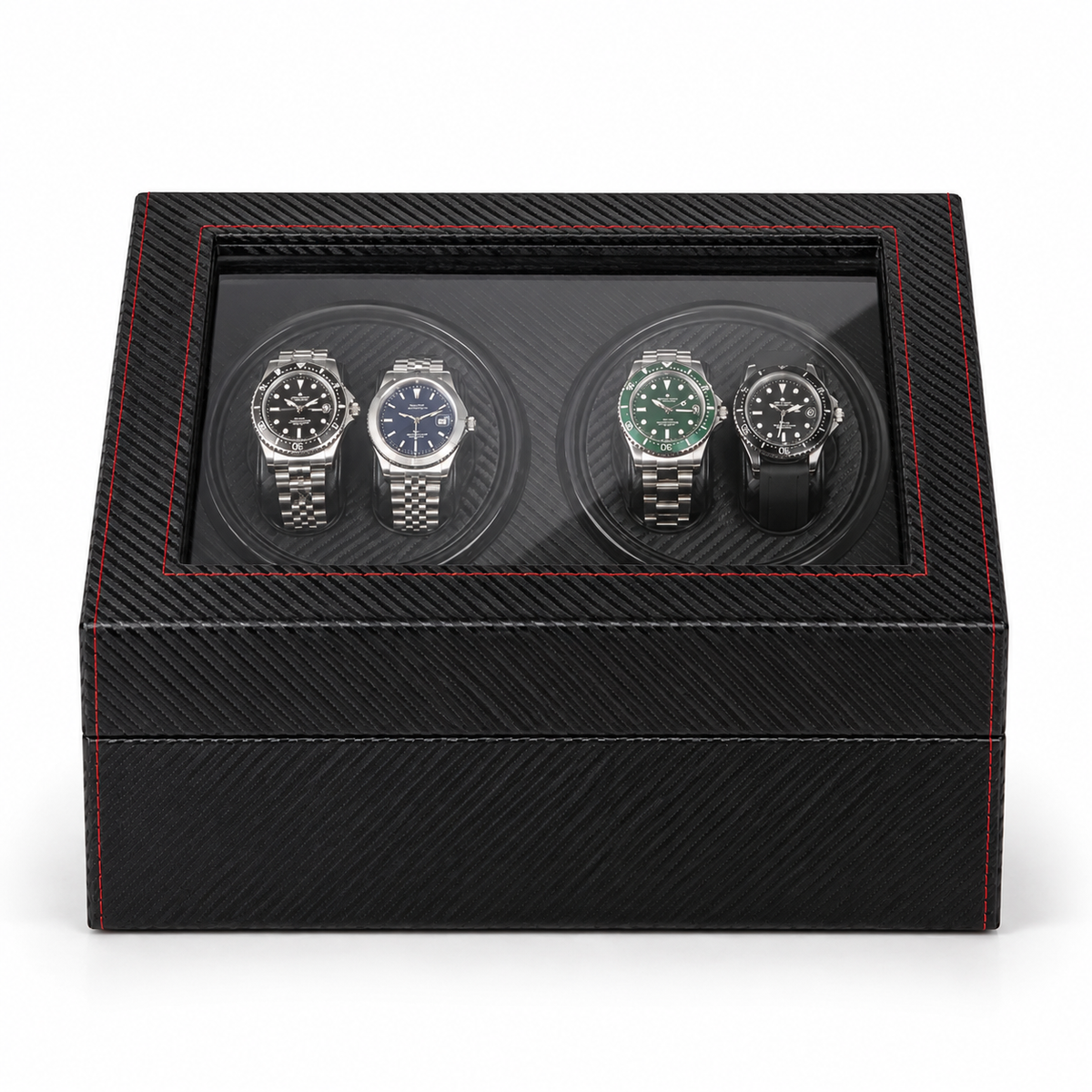
And if your collection includes Tudor alongside Rolex, Omega, Breitling or TAG Heuer, individually configurable winding positions become increasingly valuable.
The fundamental rule remains simple:
Identify the watch. Identify the caliber. Then configure the winder.
That approach is more reliable than assuming every Tudor requires the same settings.