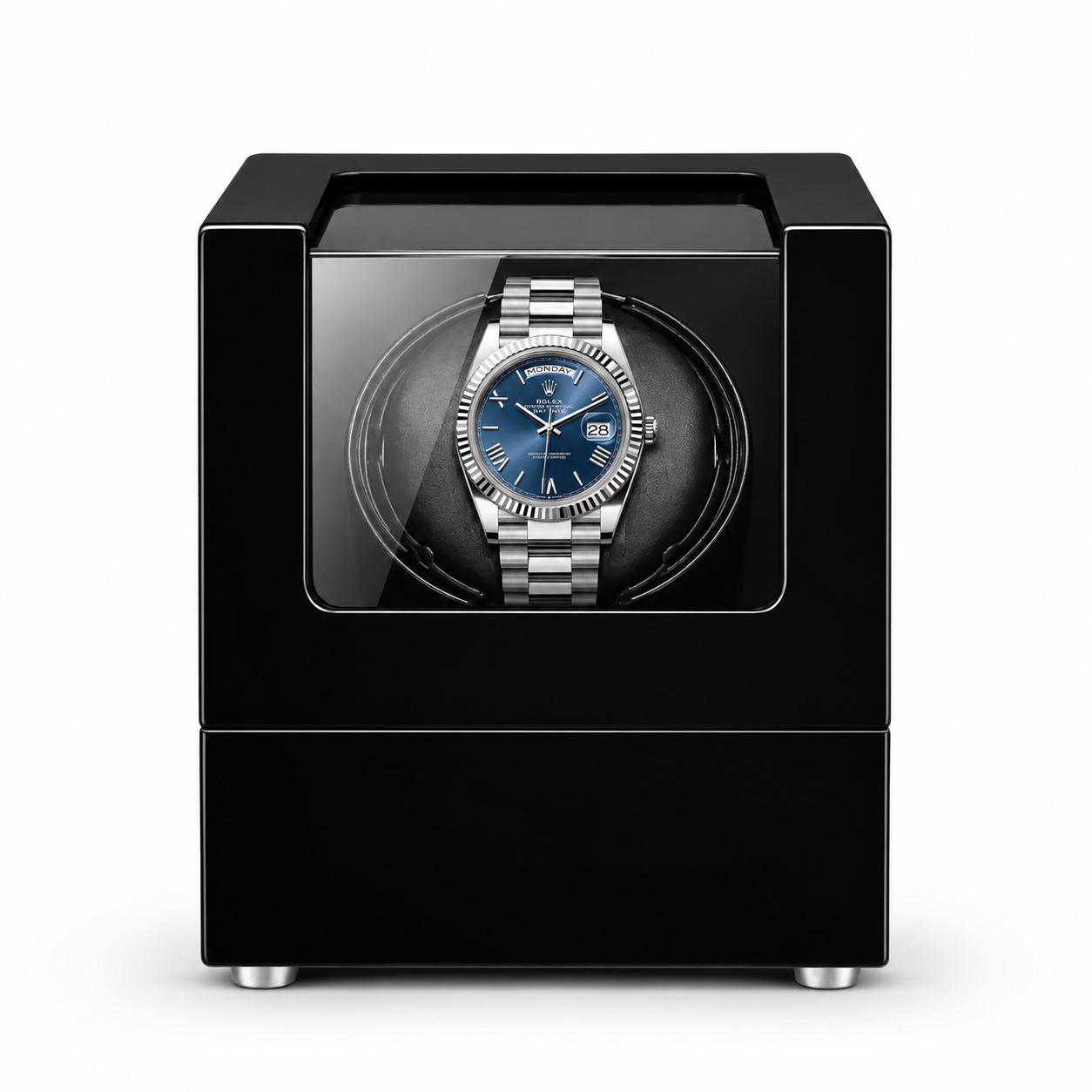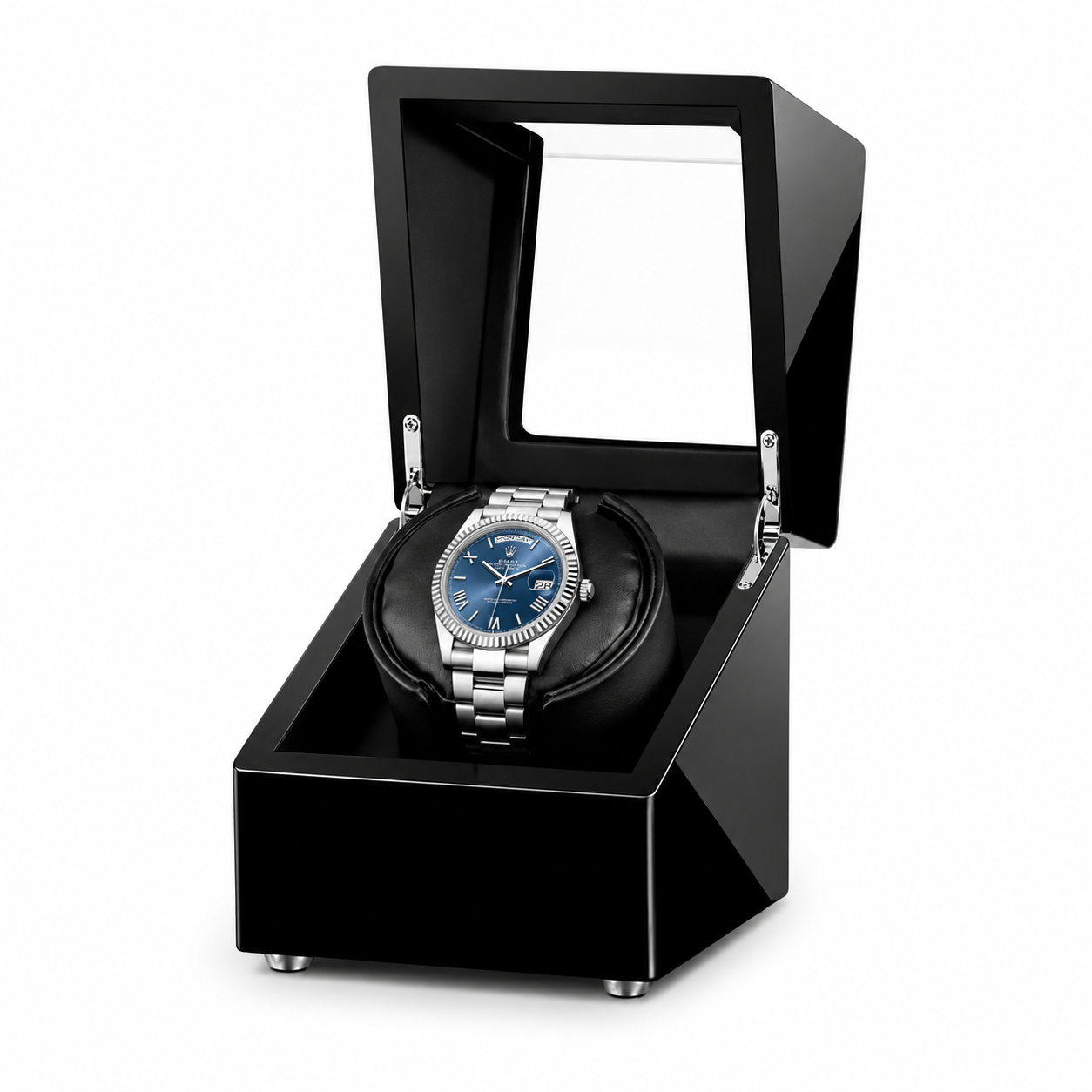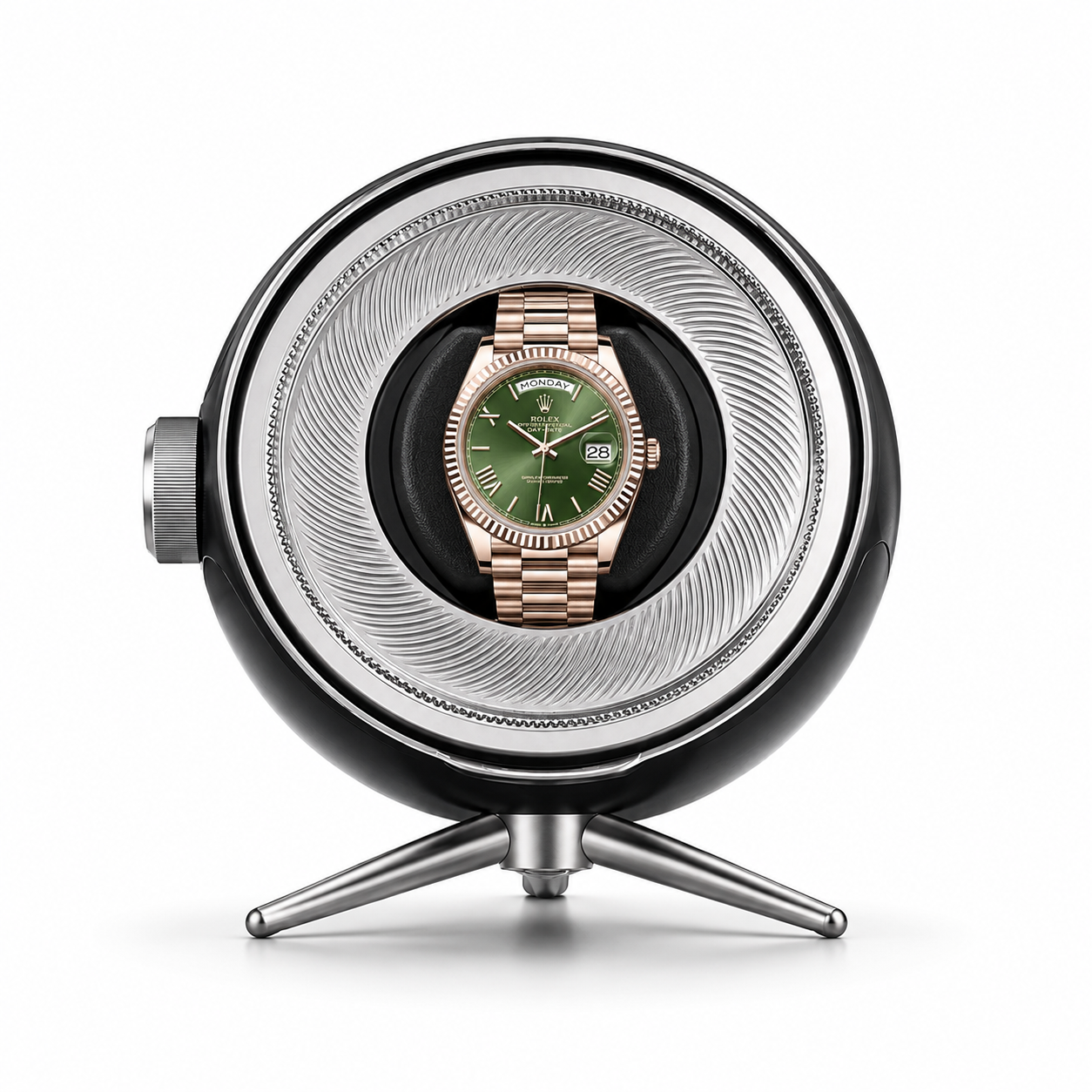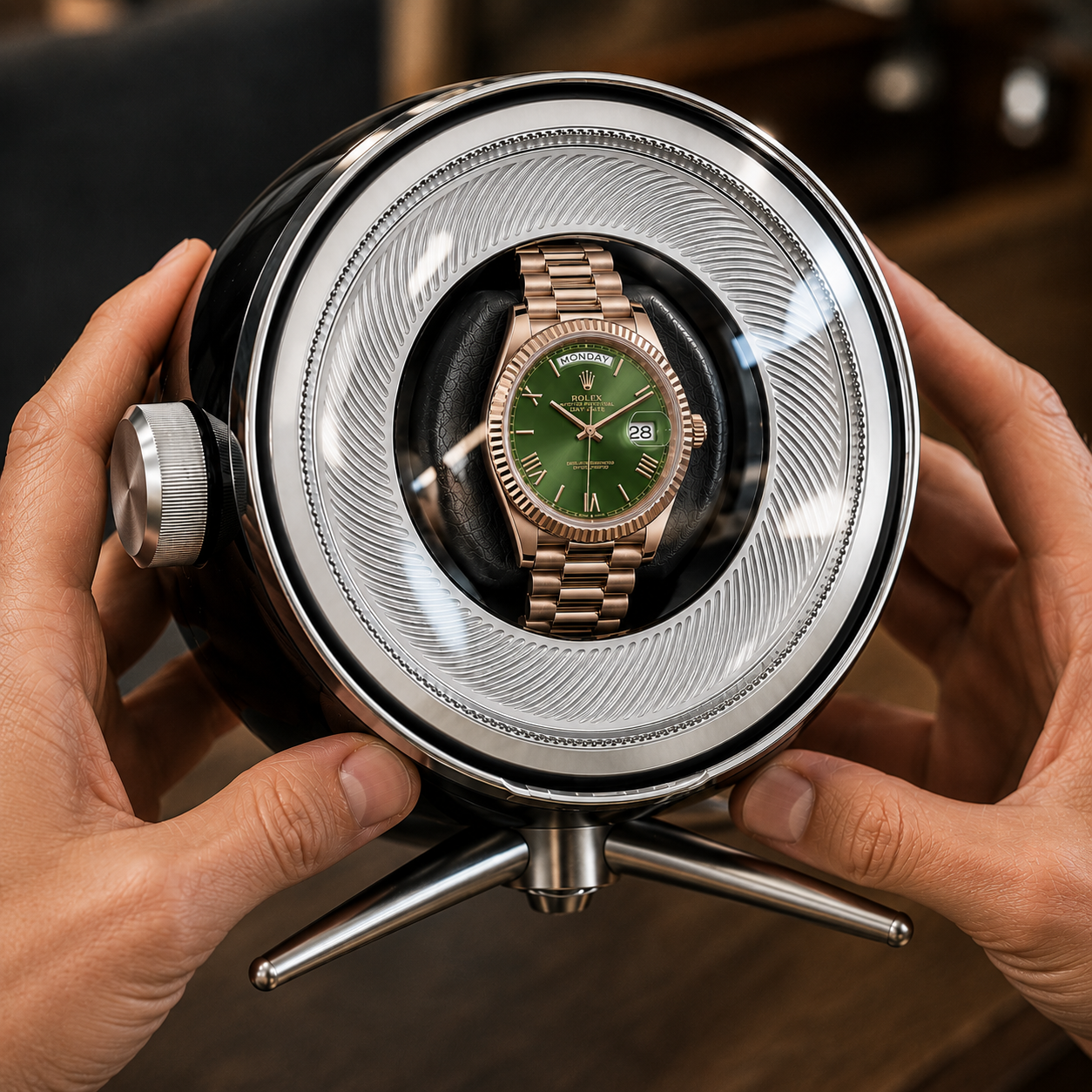
Can a Watch Winder Damage a Watch ? TPD, Overwinding & Safety Explained
Can a Watch Winder Damage a Watch?
If you own an automatic watch, especially a luxury timepiece, placing it on a device that keeps it moving while you are not wearing it can raise an understandable question:
Can a watch winder damage your watch?
In normal use, a properly configured watch winder should not damage a healthy automatic watch. Modern automatic movements are designed to handle the energy generated by everyday wrist movement, and a quality watch winder simply recreates controlled motion while the watch is not being worn.
Problems are more likely to arise when a winder is poorly configured, runs more than necessary, or does not provide suitable control over turns per day (TPD) and rotation direction.
Understanding those settings is therefore much more important than simply asking whether watch winders are safe.
Can a Watch Winder Overwind an Automatic Watch?
One of the most common concerns surrounding watch winders is overwinding.
Most modern automatic movements are designed so that the mainspring is not continuously tensioned once the movement has reached an appropriate level of wind. This helps protect the movement during normal everyday wear.
However, that does not mean more rotation is better.
Running a watch at a significantly higher TPD than necessary creates additional mechanical activity without providing a meaningful benefit.
The purpose of a watch winder is not to rotate your watch as much as possible.
It is to provide enough controlled movement to maintain its power reserve while it is not being worn.
What Is TPD and Why Does It Matter?
TPD stands for turns per day. It represents the approximate number of rotations a watch receives from the winder during a 24-hour period.
Different automatic movements can have different winding requirements.
One movement may remain sufficiently wound with a moderate number of turns, while another may require a different setting.
This is why adjustable TPD settings are particularly useful if you own several automatic watches or expect your collection to evolve.
For a more detailed breakdown, see our Watch Winder TPD Guide: Settings by Brand and Watch Movement (2026).
What Happens if TPD Is Too Low?
If the TPD setting is too low, the movement may not receive enough energy to maintain its power reserve. Eventually, the watch may stop.
What Happens if TPD Is Too High?
An unnecessarily high setting means the watch receives more movement than it needs.
Rather than automatically selecting the maximum setting, a better principle is:
Use the lowest appropriate TPD setting that reliably keeps your watch running.
Does Rotation Direction Matter?
Yes.
Depending on the watch winder, you may have several rotation options:
- Clockwise (CW)
- Counterclockwise (CCW)
- Bidirectional or alternating
Some automatic movements can wind in both directions, while others may require or perform more efficiently with a particular rotation direction.
Using an unsuitable direction can mean that the rotor is moving without efficiently maintaining the movement's power reserve.
This becomes particularly important for collectors who own watches with different movements.
A configurable watch winder provides more flexibility than a system that applies one fixed program to every watch.
Are Watch Winders Safe for Rolex, Omega and Other Luxury Watches?
A quality watch winder can be suitable for many automatic watches from manufacturers such as Rolex, Omega, Breitling, TAG Heuer and Tudor, provided that it is configured appropriately for the movement inside the watch.
The important distinction is the movement, not simply the brand printed on the dial.
Two watches from the same manufacturer do not necessarily use the same caliber or have exactly the same winding requirements.
Whenever possible, identify your watch reference and movement before choosing your settings.
Rolex owners can also read our Best Watch Winder for Rolex: TPD & Rotation Guide (2026) for more specific guidance.
What Makes a Watch Winder Safe?
When you're placing an expensive automatic watch inside a winder, appearance should not be your only consideration.
Several features are particularly important.
Adjustable TPD
Multiple TPD settings give you greater control over how much rotation your watch receives.
This allows the winding program to be better matched to the movement instead of forcing every watch into the same cycle.
Adjustable Rotation Direction
Clockwise, counterclockwise and alternating rotation modes improve compatibility with different automatic movements.
Rotation and Rest Cycles
Your watch does not need to rotate continuously.
A properly designed winding program alternates periods of rotation with periods of rest, recreating the intermittent movement an automatic watch would experience on your wrist.
Secure Watch Support
Your watch should remain securely positioned while the holder rotates.
A properly fitted cushion or watch holder is especially important for heavier watches and different bracelet sizes.
Controlled and Quiet Movement
Motor quality matters as well.
A smooth, quiet winding mechanism provides a more refined experience, particularly when the winder is kept in a bedroom, office or dressing room.
A Watch Winder Should Mimic Wear — Not Constantly Spin
This is one of the biggest misconceptions surrounding automatic watch winders.
A good winder does not need to rotate your watch continuously for 24 hours.
Think about what happens when you actually wear your watch.
You walk. You sit. You drive. You work. You sleep.
Your watch experiences alternating periods of movement and rest throughout the day.
A properly programmed watch winder follows a similar principle by distributing rotations across controlled cycles.
That is why comparing watch winders solely by maximum TPD or motor speed misses an important point.
Control matters more than maximum rotation.
When Should You Avoid Using a Watch Winder?
A watch winder should not be used as a solution for a watch that may already have a mechanical problem.
If your watch is making unusual noises, behaving abnormally, losing time unexpectedly, or may require servicing, consider having it inspected before keeping it on a winder.
It is also important to remember that watch winders are designed primarily for automatic mechanical watches.
A manually wound mechanical watch does not benefit from rotor-based movement in the same way.
Finally, if you wear the same automatic watch every day and it rarely stops, you may simply not need a watch winder.
We explore that question in our guide Do You Really Need a Watch Winder? Pros, Cons & Expert Advice.
Choosing a Watch Winder for More Than One Watch
The importance of individual settings becomes even greater as your collection grows.
Imagine owning a Rolex alongside an Omega, Breitling or TAG Heuer. The watches may contain different movements with different winding characteristics.
A multi-watch winder with independent controls gives you greater flexibility than a system that forces every watch to follow the same program.
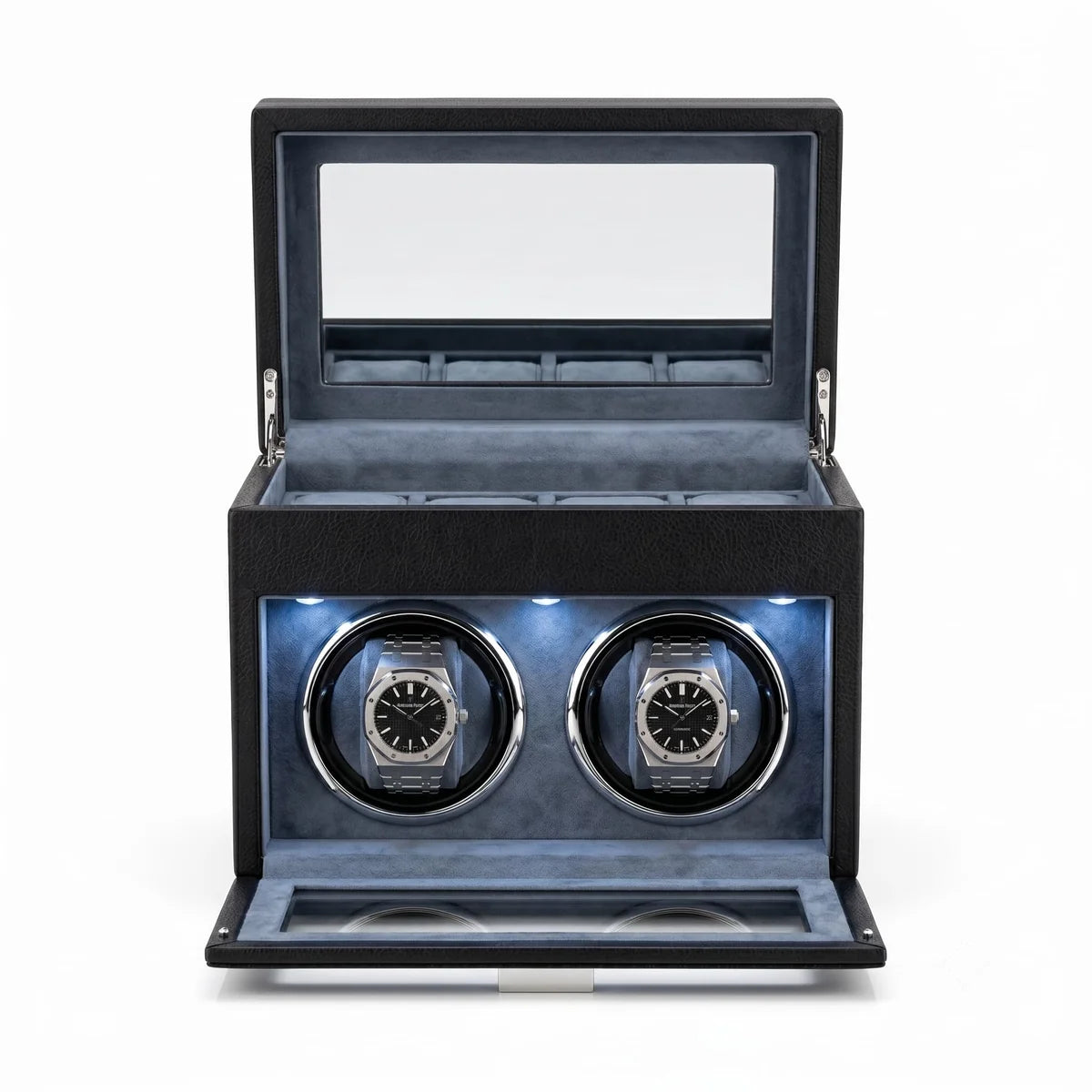
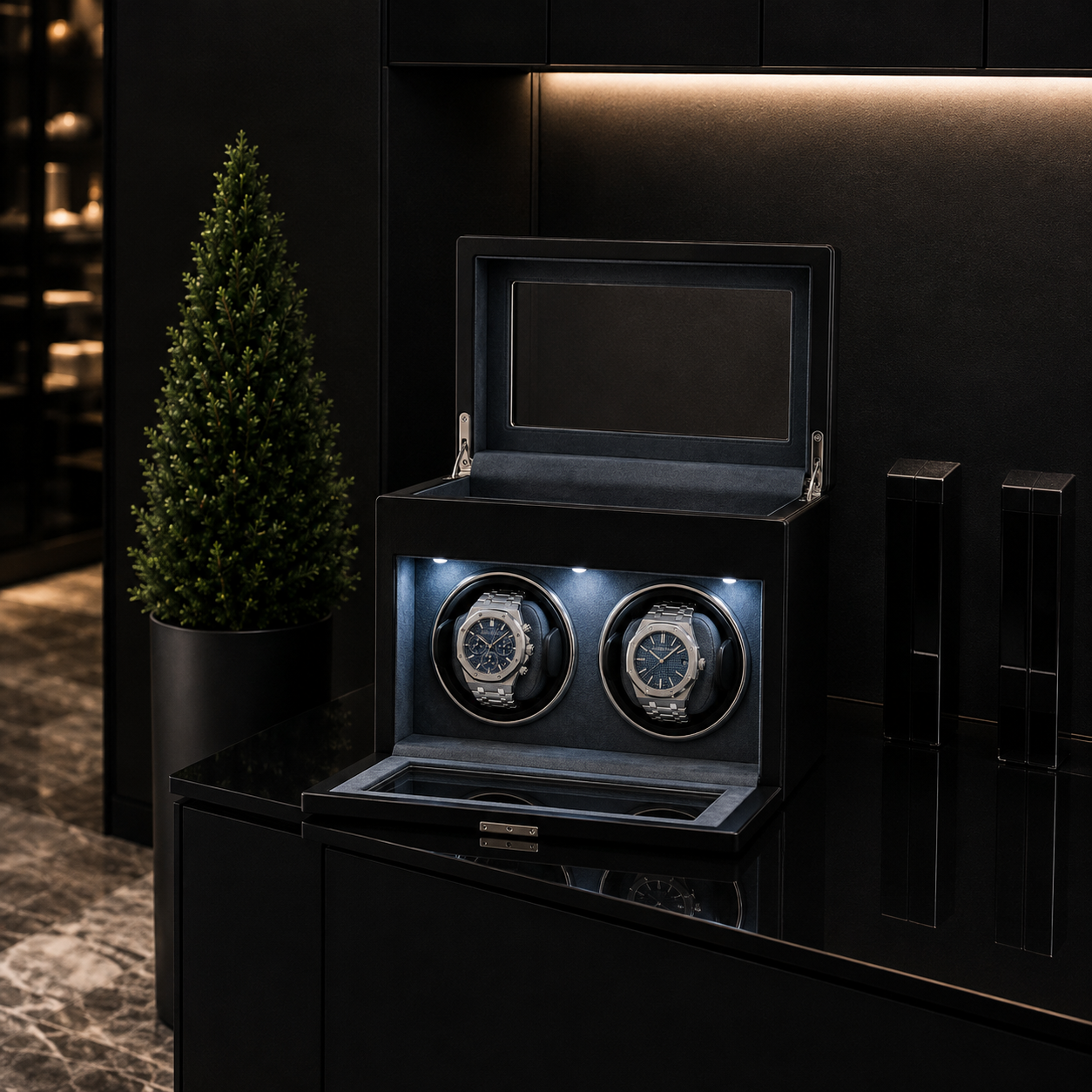
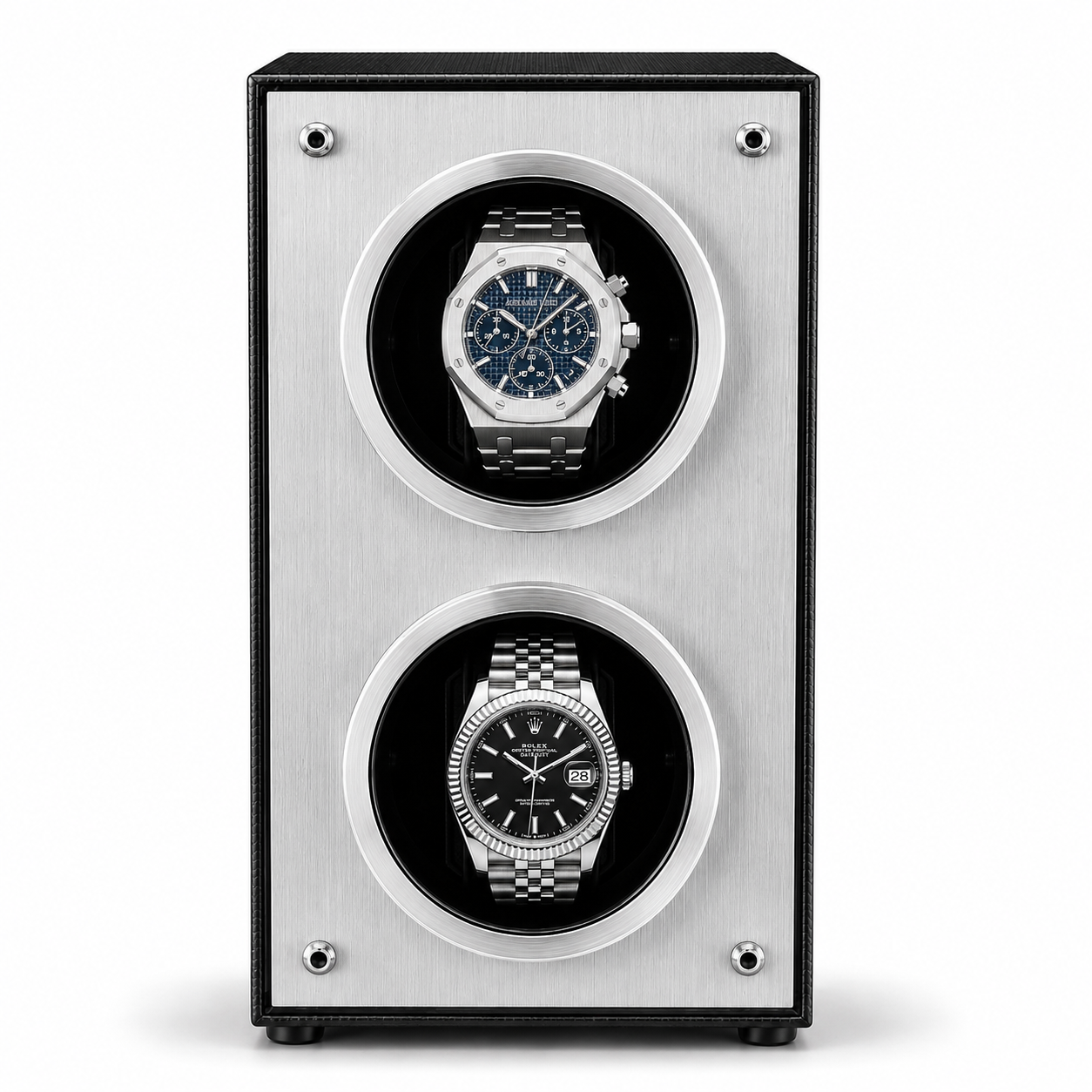
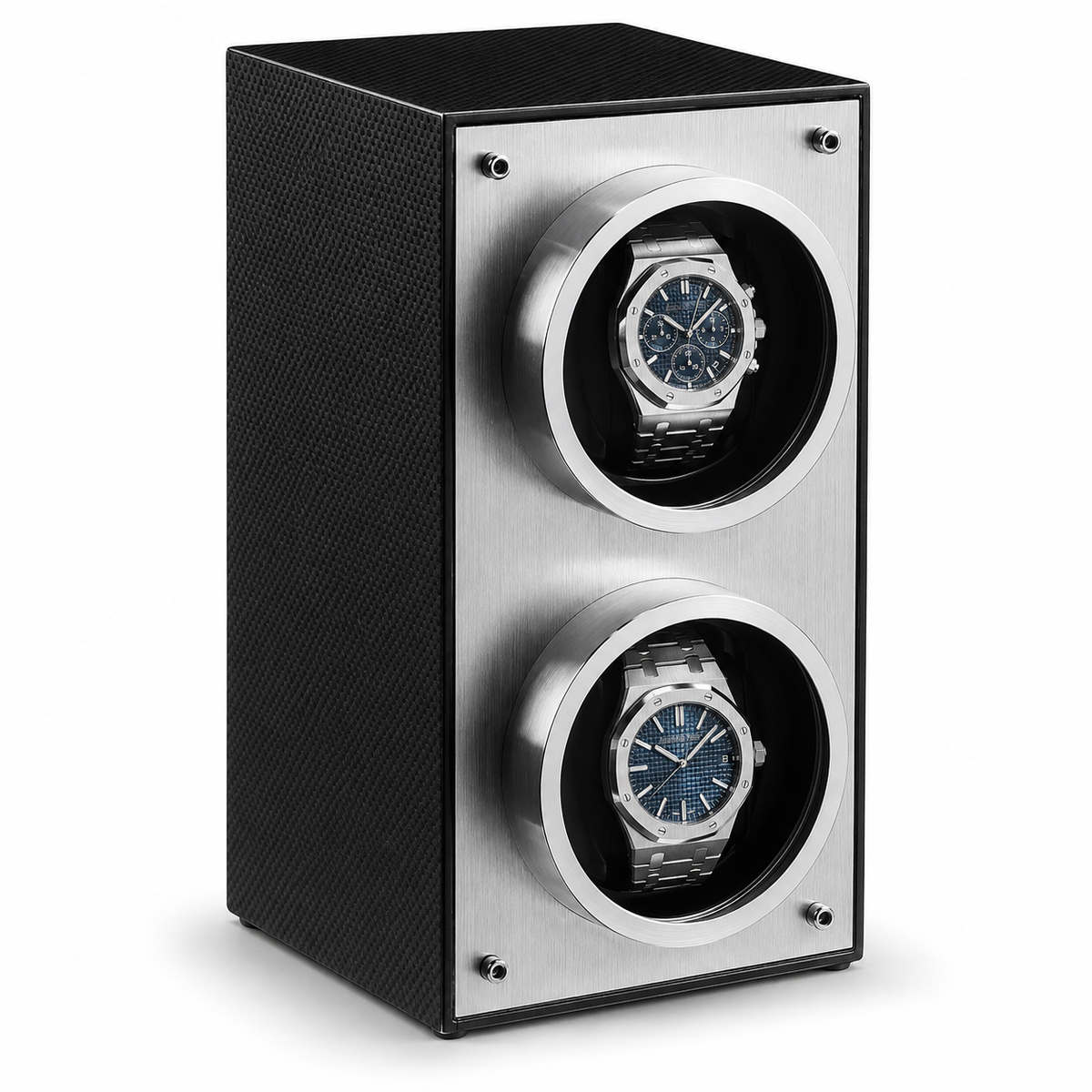
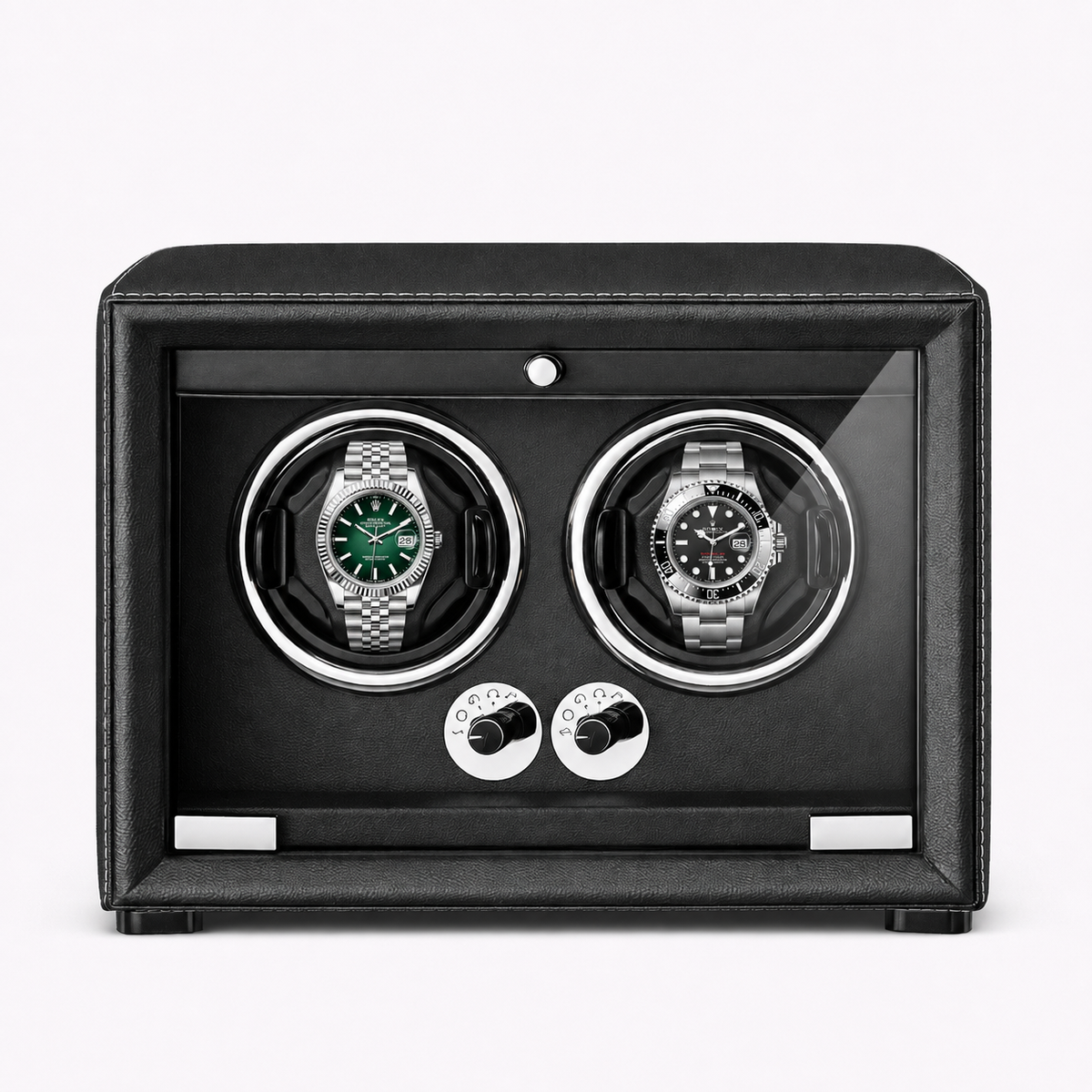
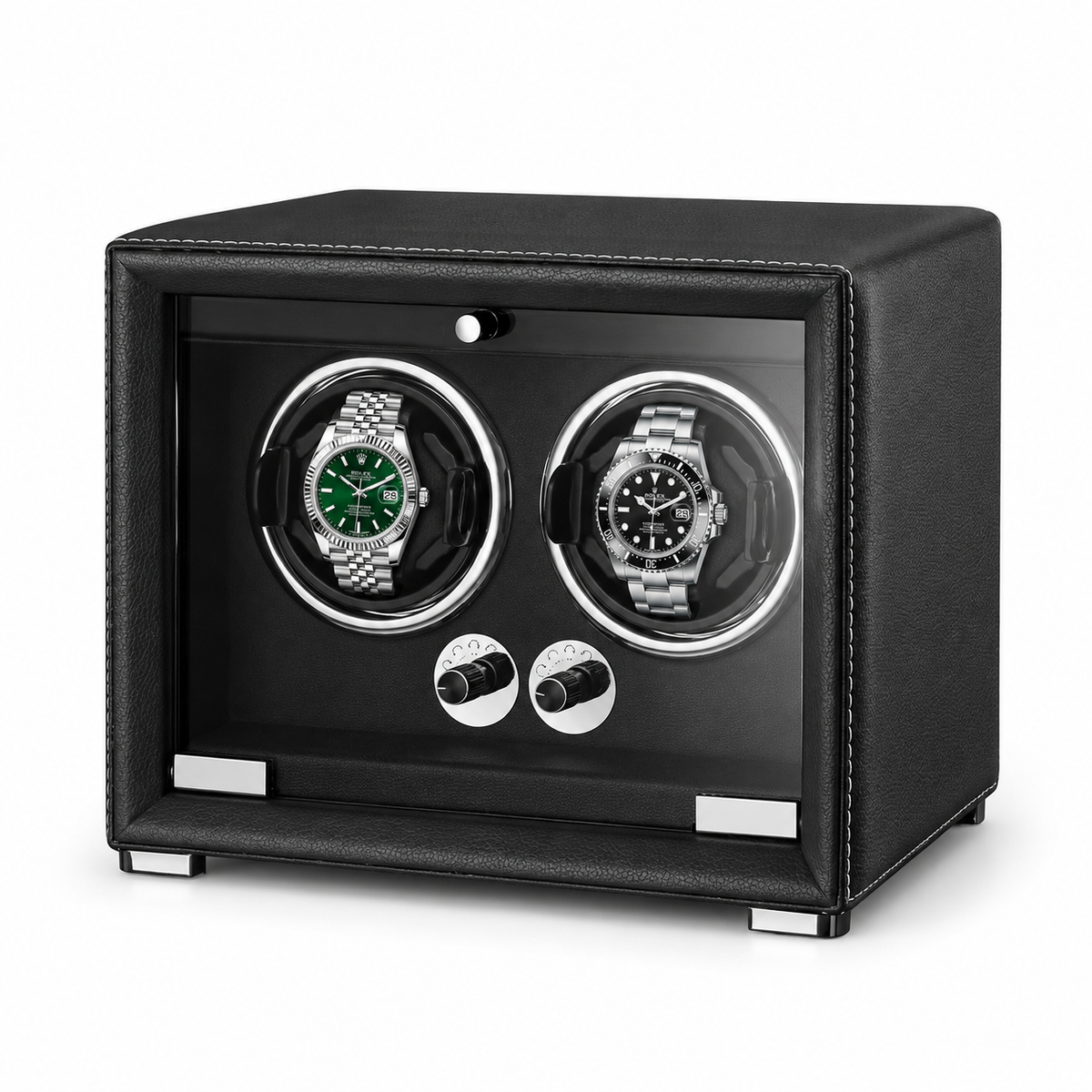
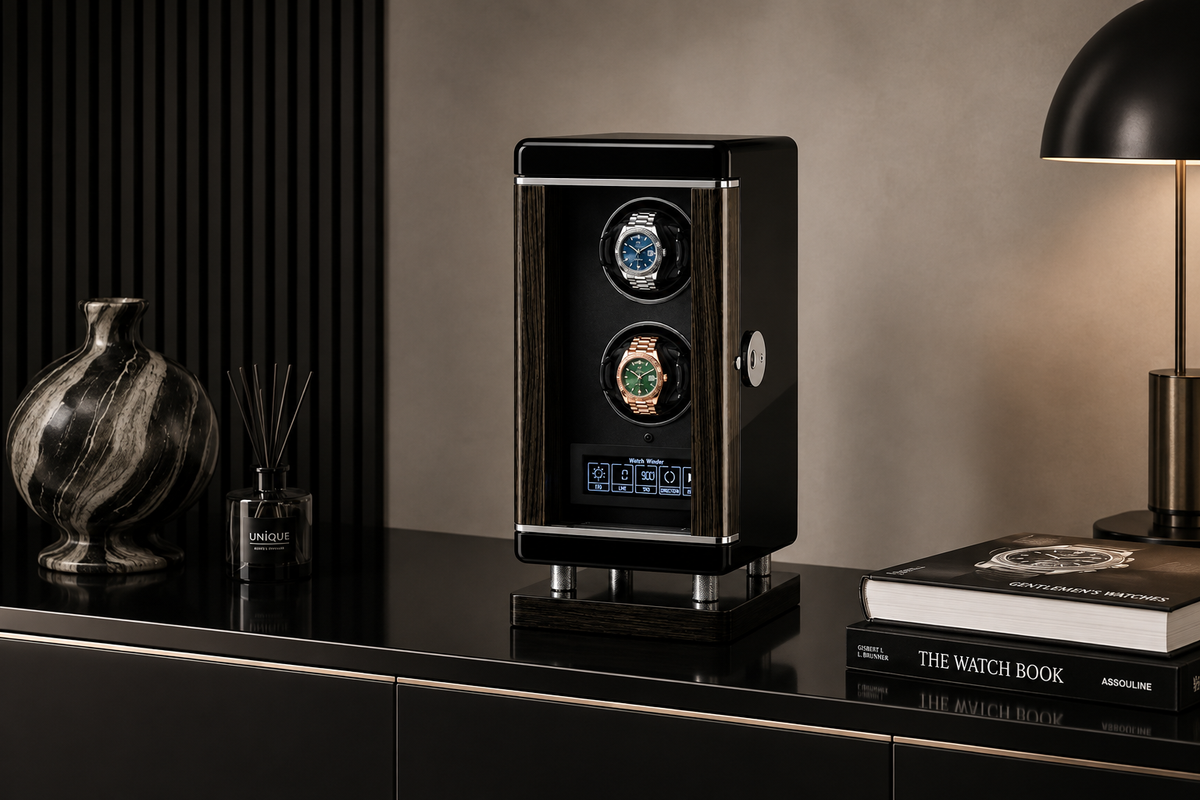
For this type of collection, the ChronoVelar Meridian Duo 2-Watch Winder is a particularly relevant option.
Its two independent winding positions make it possible to accommodate two automatic watches without treating them as though they have identical requirements.
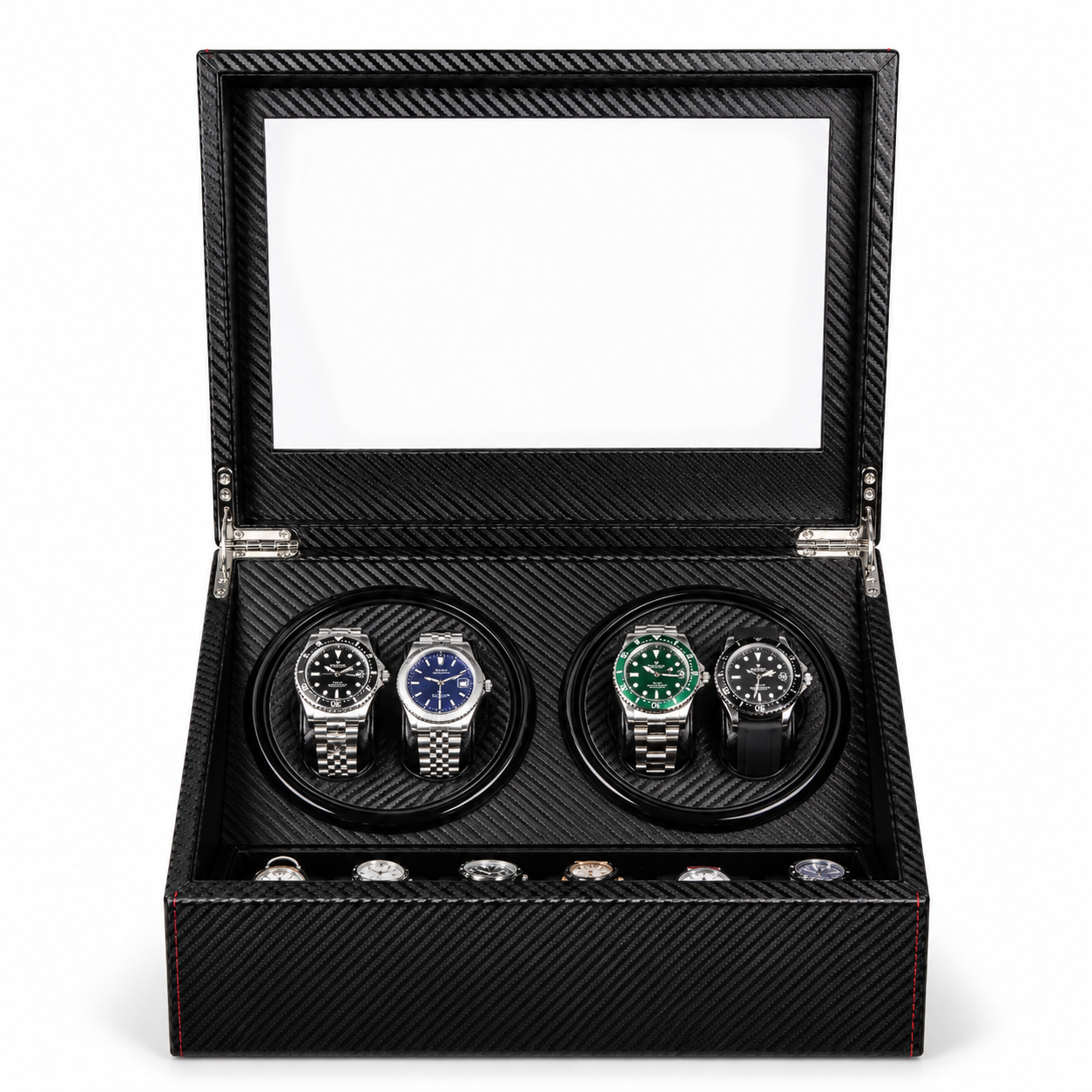
For larger collections, choosing a multi-watch winder also allows several automatic watches to remain displayed, protected and ready to wear from one central location.
How to Use a Watch Winder Safely
Using a watch winder correctly does not need to be complicated.
Before placing your automatic watch inside:
- Identify the exact watch model and, ideally, its movement.
- Determine its recommended winding direction.
- Choose an appropriate TPD setting instead of automatically selecting the maximum.
- Secure the watch correctly on the holder.
- Allow the winder's programmed rotation and rest cycles to operate normally.
- Check after several days that the watch is maintaining its power reserve.
- Increase TPD only if the watch is not remaining sufficiently wound.
If the watch continues to stop despite apparently appropriate settings, verify the movement requirements rather than simply continuing to increase the winding program.
The Bottom Line
Can a watch winder damage a watch?
When properly configured and used with a healthy automatic movement, a quality watch winder is designed to maintain a watch's power reserve rather than harm it.
The more relevant concern is using the wrong equipment or inappropriate settings.
Choose a winder that provides suitable control over TPD and rotation direction, configure it according to your movement, and avoid unnecessary continuous rotation.
For collectors who regularly alternate between automatic watches, a properly configured winder offers a simple benefit:
Your watches can remain ready to wear without repeatedly resetting the time, date and complications every time you return to them.